Choosing Autograph Collection: Exactly Like Nothing Else
Autograph Collection is quite different from a traditional hotel brand. Instead of creating a recognisable look that every property follows, Marriott brings together independent hotels with their own identity, design and sense of place.
That was something I was particularly interested in when I stayed at Duxton Reserve. The hotel feels very much like its own place rather than simply another hotel carrying a large international brand name.
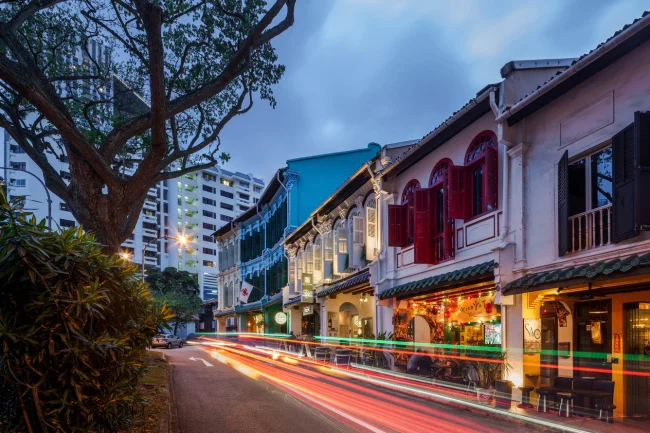
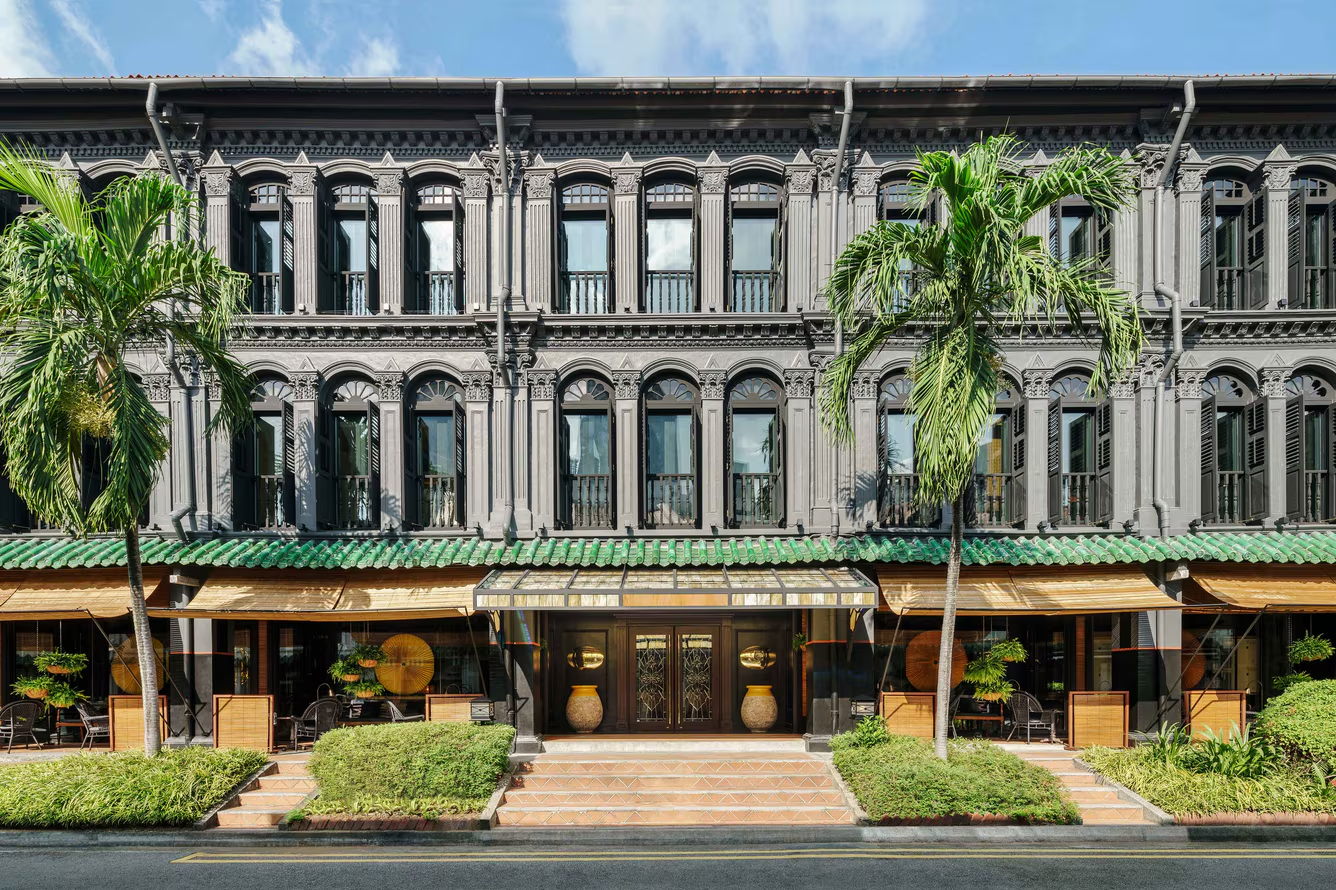
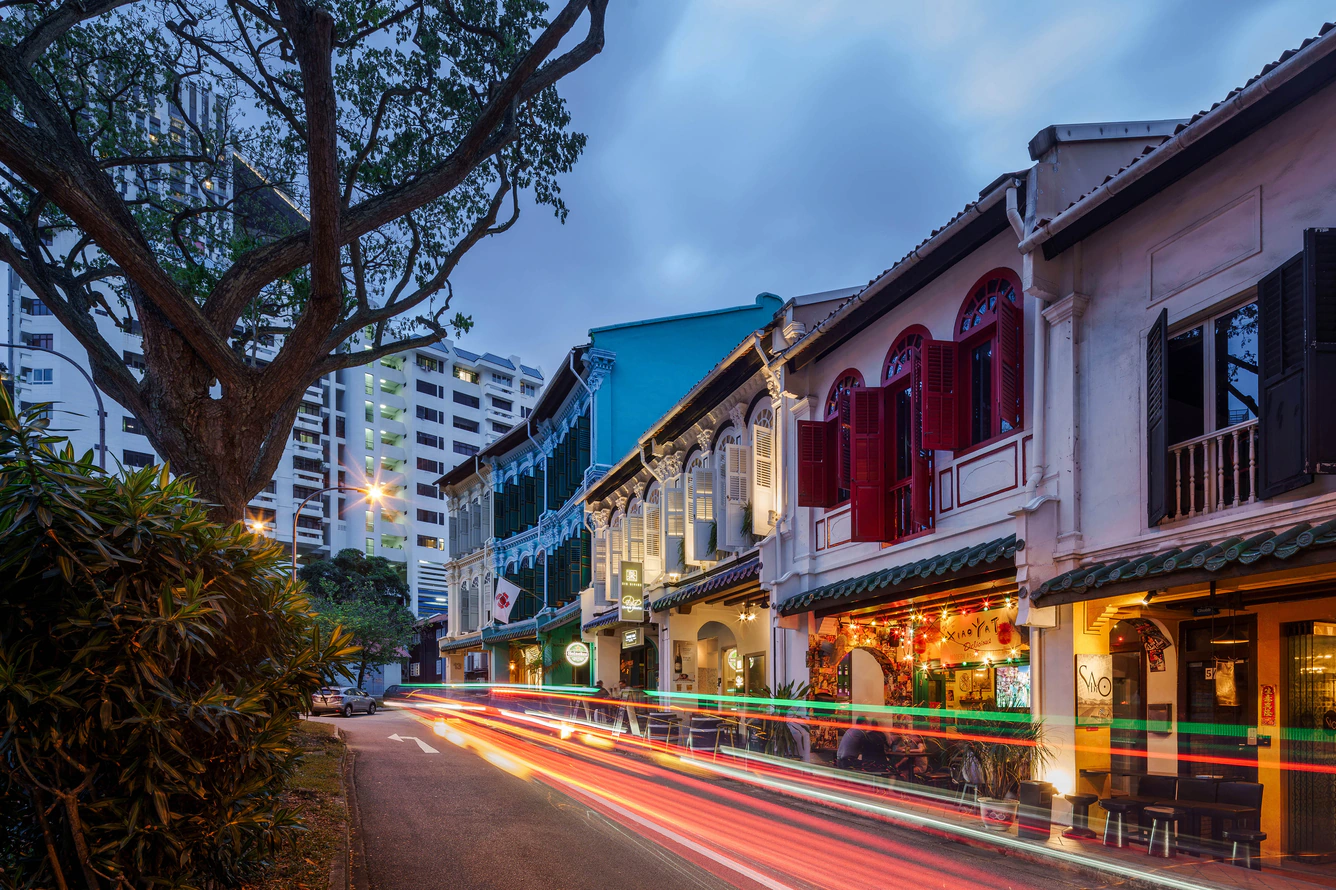
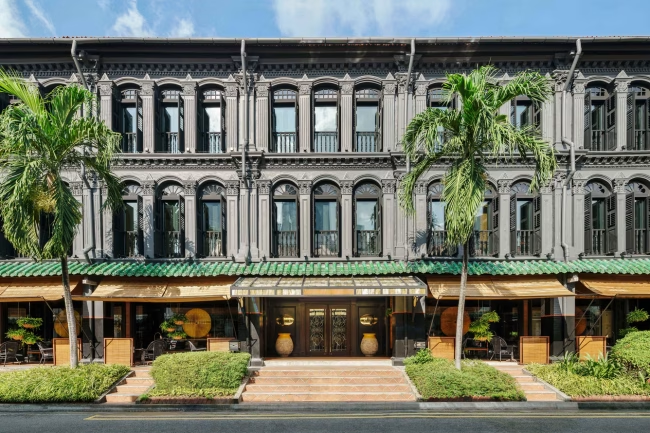
Duxton Reserve occupies three heritage shophouses dating back to the 1860s, in an area that was once at the centre of Singapore’s spice trade. The buildings have been preserved rather than completely transformed, and you can still see original details throughout the property.
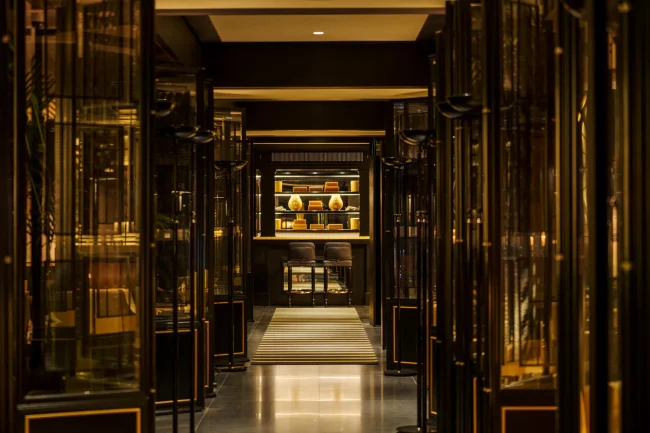
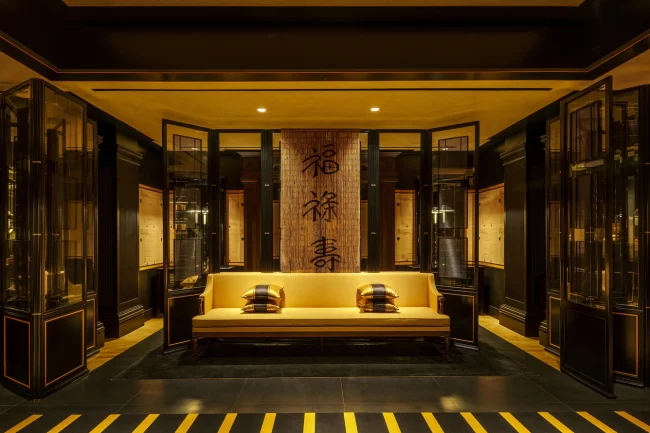
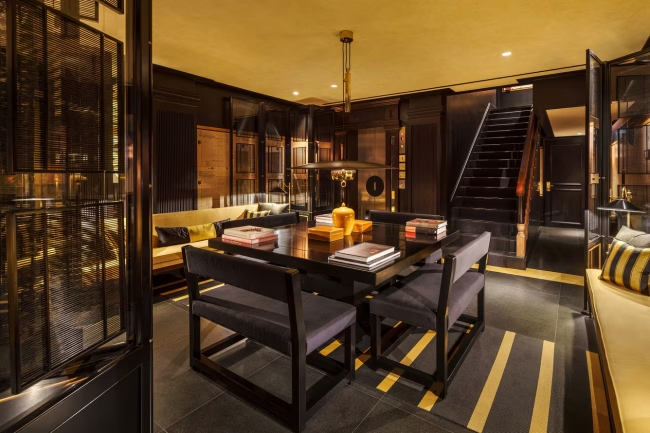
The interiors were designed by Anouska Hempel, whose work gives the hotel a very distinctive character. There is a strong sense of design, but it does not feel as though the building’s history has been pushed aside to make room for it.
This is what I find interesting about Autograph Collection. The point is not to know what an Autograph Collection hotel will look like before you arrive. It is to discover what makes that particular hotel different.
And Duxton Reserve certainly has a story of its own. From the heritage shophouses to the interiors, the neighbourhood and the restaurants, the hotel feels closely connected to its location rather than simply placed in it.
For me, that is the appeal of the collection. You get the reassurance of a global hotel group, but the experience is still allowed to feel individual.
PS: Check out highlights from my recent trip to Singapore → Singapore
In the Heart of Duxton Hill
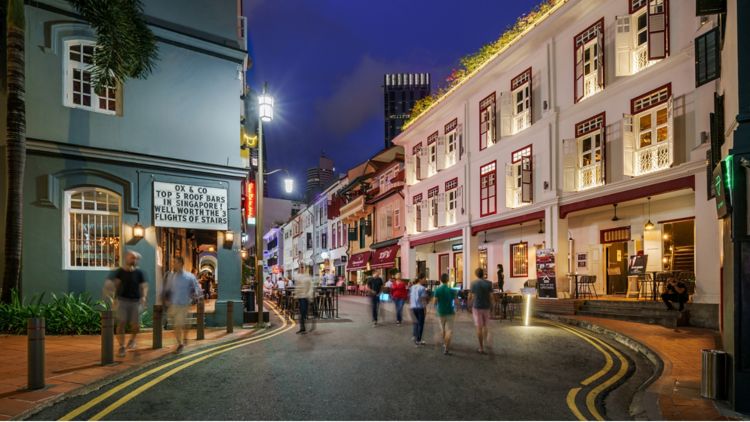
The location was one of the things that made Duxton Reserve particularly interesting to me. The hotel sits on Duxton Road, right in the heart of Duxton Hill, one of Singapore’s most distinctive neighbourhoods.
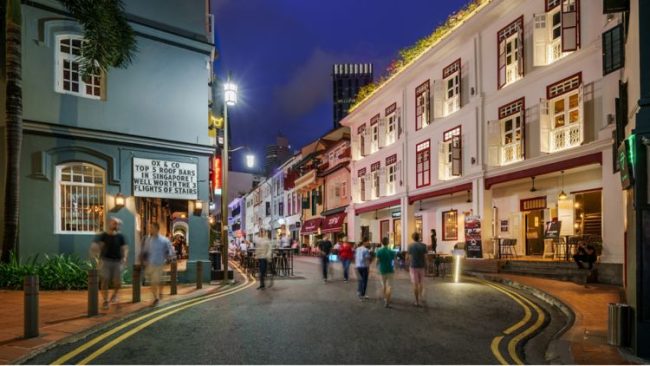
What I liked is that Duxton Hill has a personality of its own. The area is known for its beautifully preserved shophouses, but today those historic buildings are home to stylish restaurants, independent cafés, cocktail bars and design-led shops. It has become one of those neighbourhoods where you can simply walk around and see what catches your attention.
There is something quite chic about the area without it feeling overly polished. During the day, it is relatively relaxed and easy to explore on foot. In the evening, the restaurants and bars bring a completely different energy, with locals and visitors filling the streets.
I also liked how close everything is. Chinatown, Tanjong Pagar and Maxwell Food Centre are all within easy reach, so you have plenty of options when it comes to eating and exploring. But you are not staying in the middle of a conventional tourist area.
For me, this is what makes Duxton Reserve’s address particularly appealing. The neighbourhood is part of the experience. You get heritage, great food, design and a very contemporary Singaporean atmosphere, all within a few streets.
My Room at Duxton Reserve, Singapore
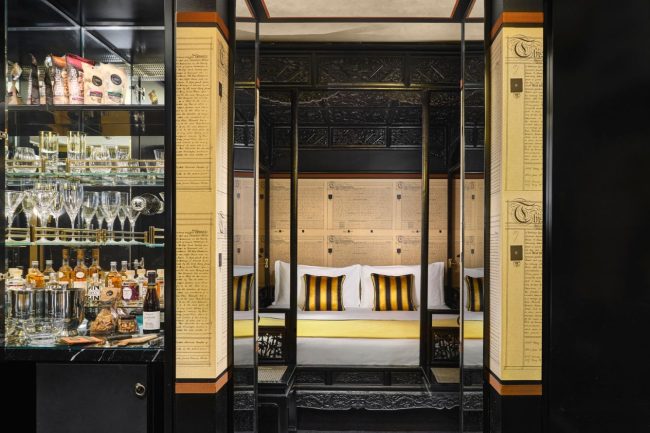
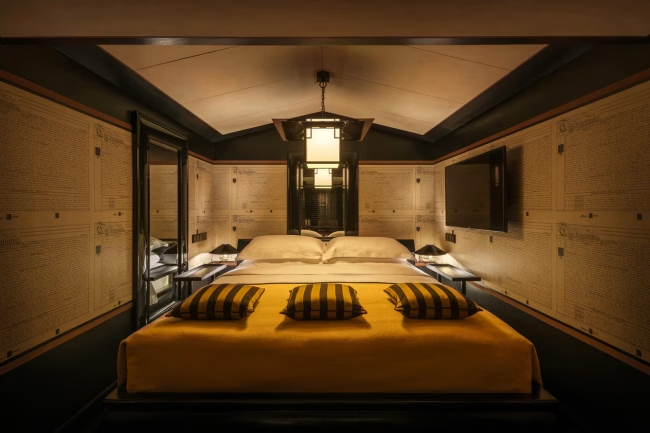
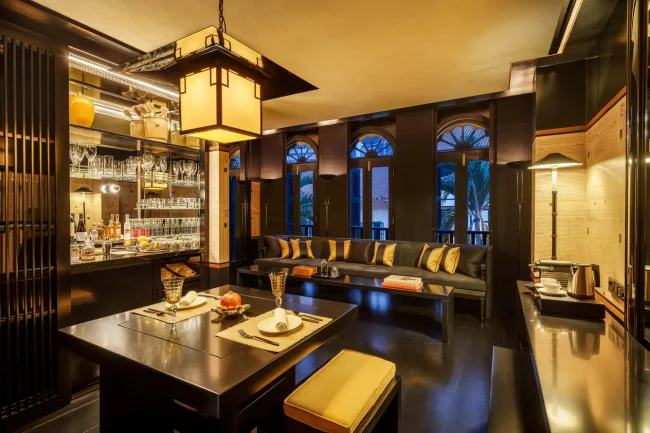
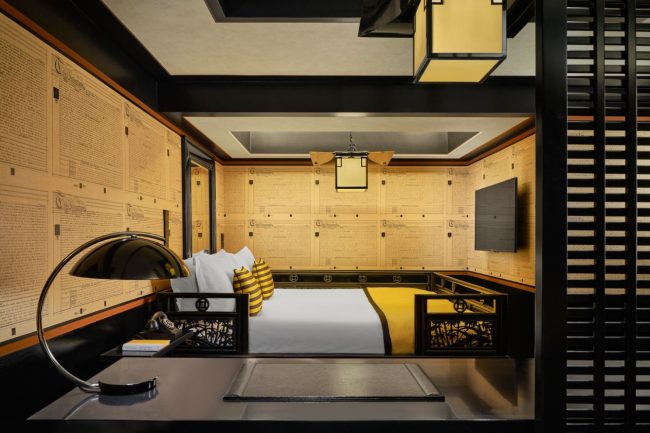
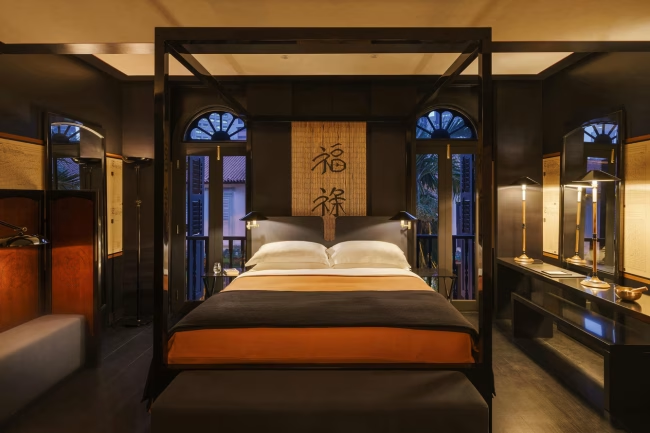
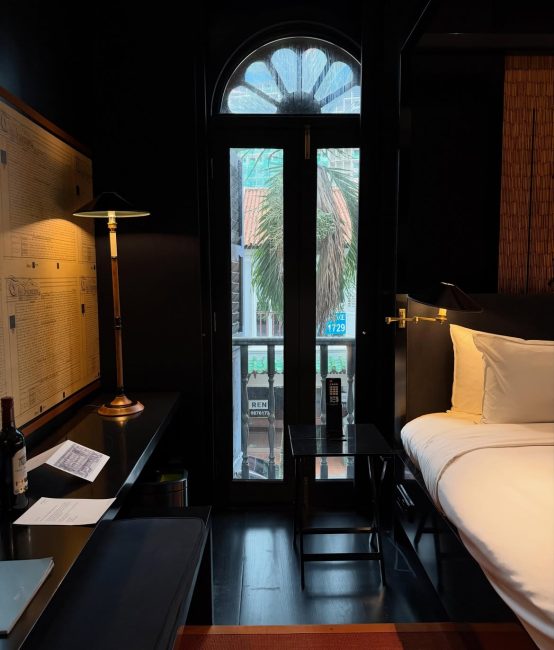
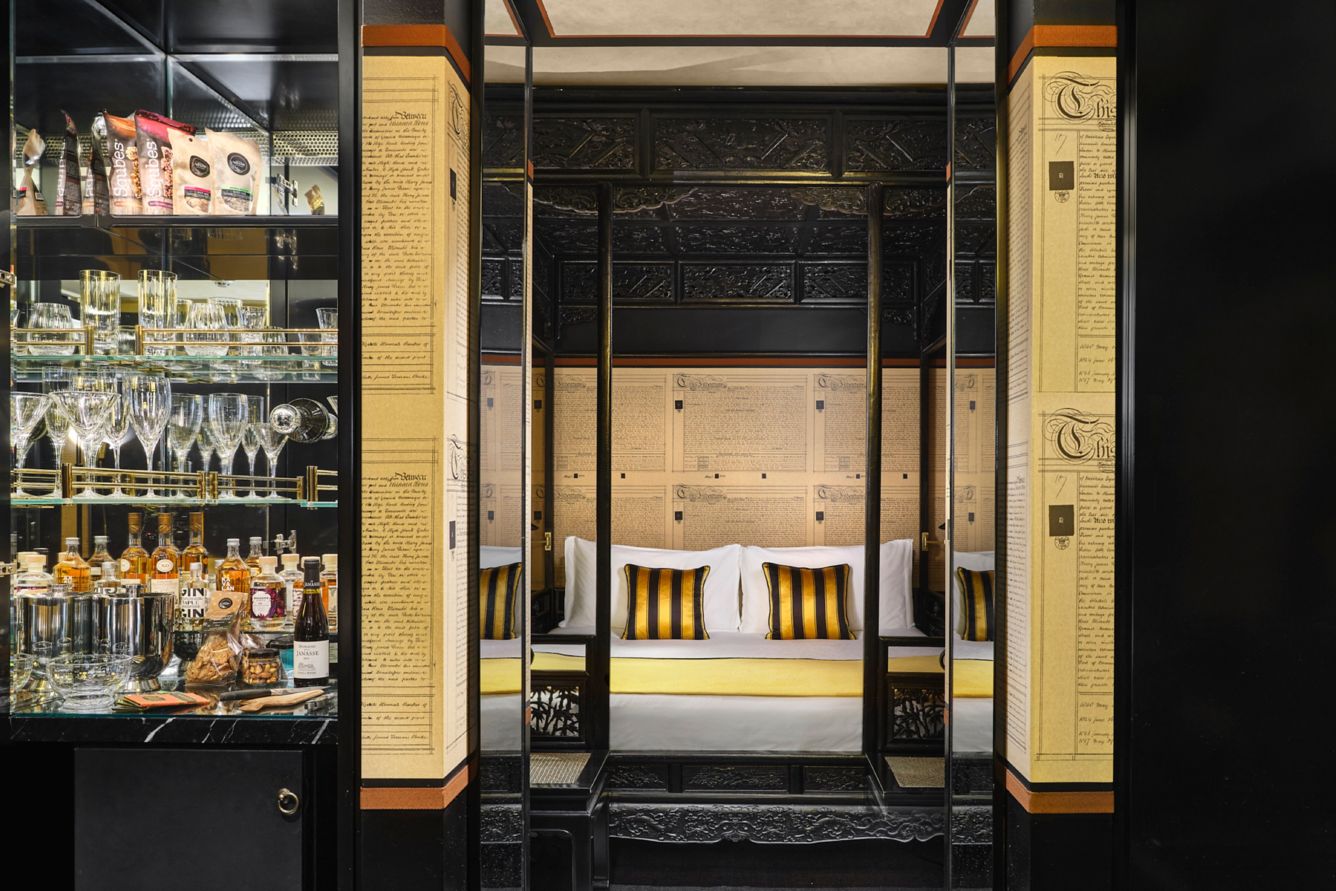
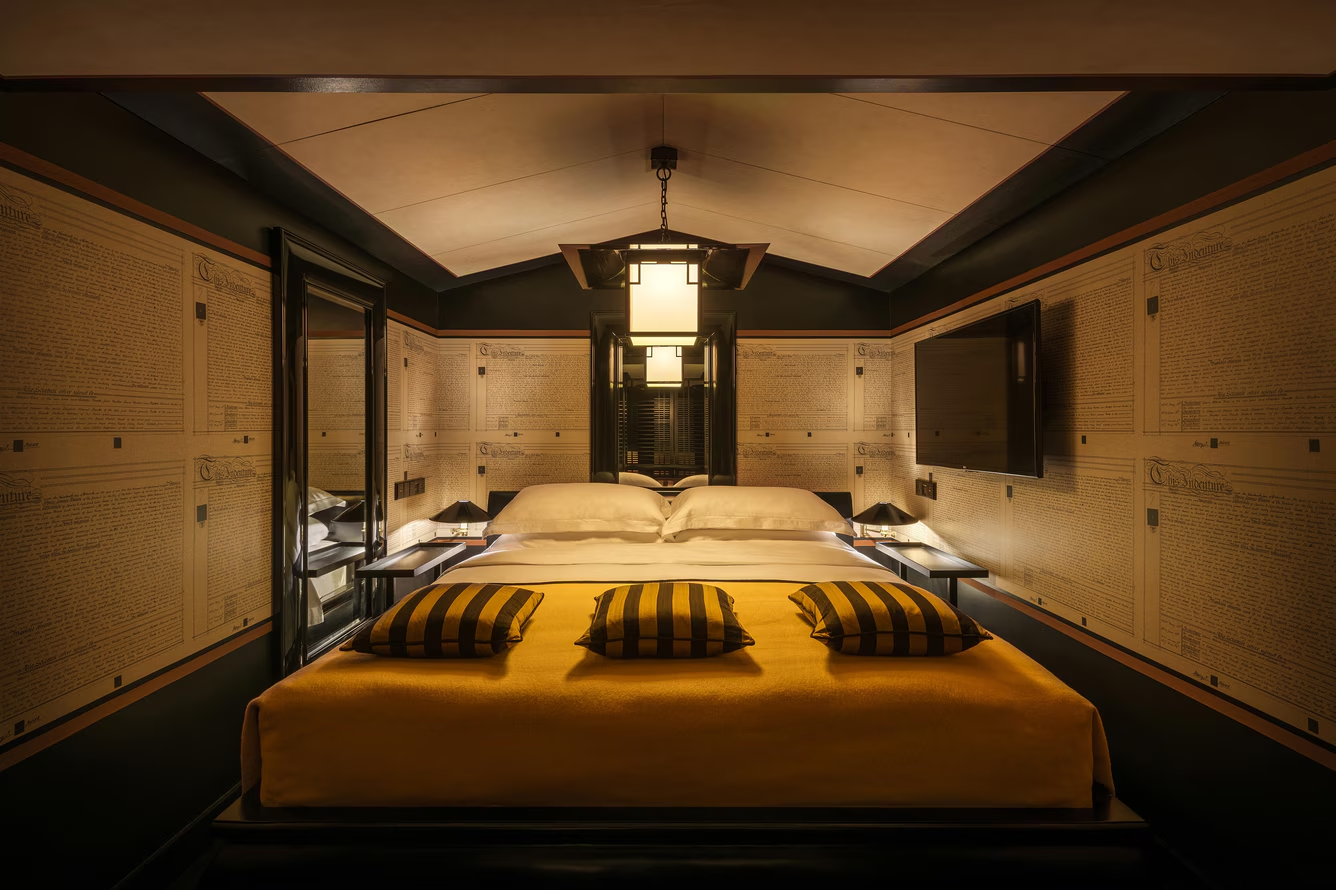
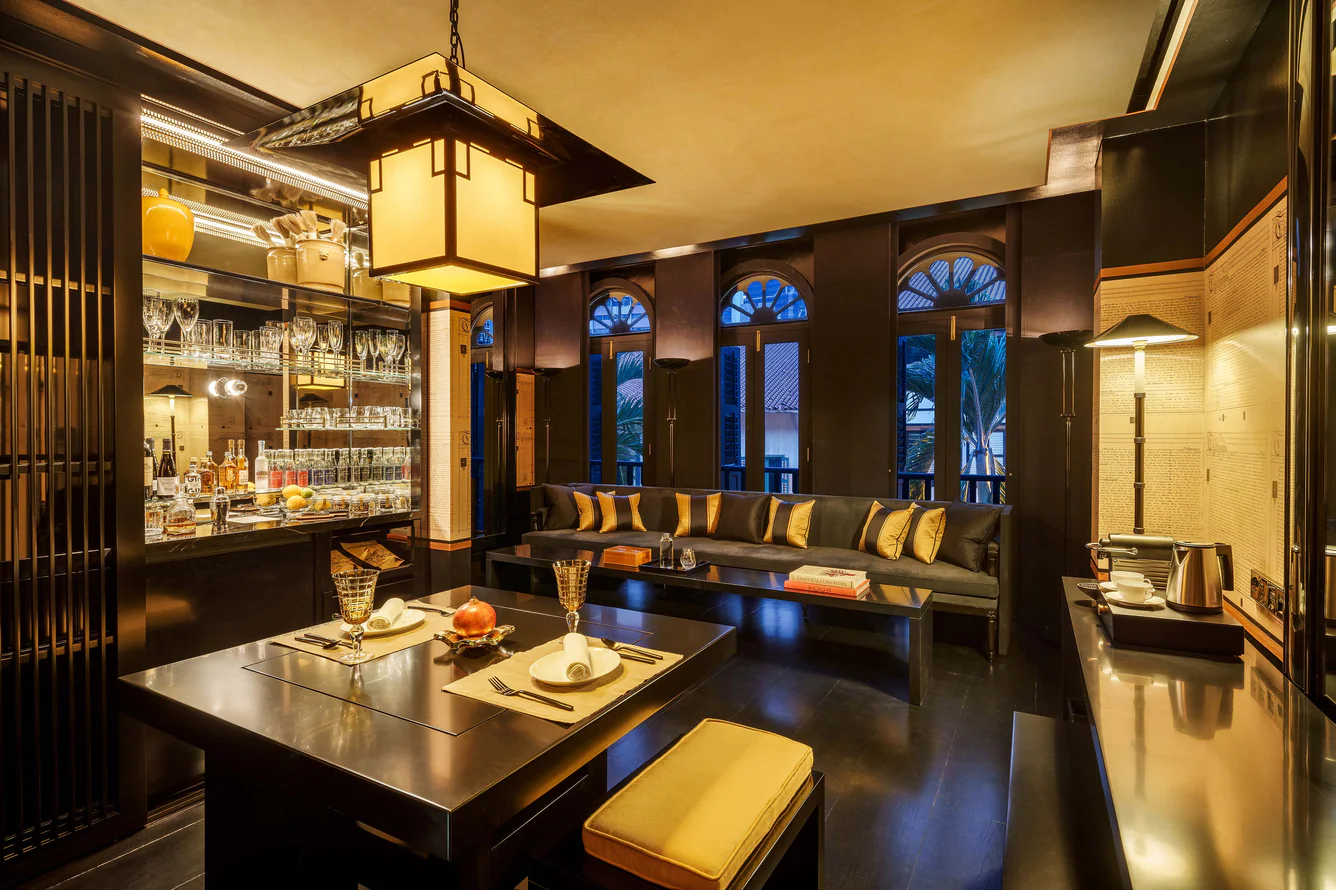
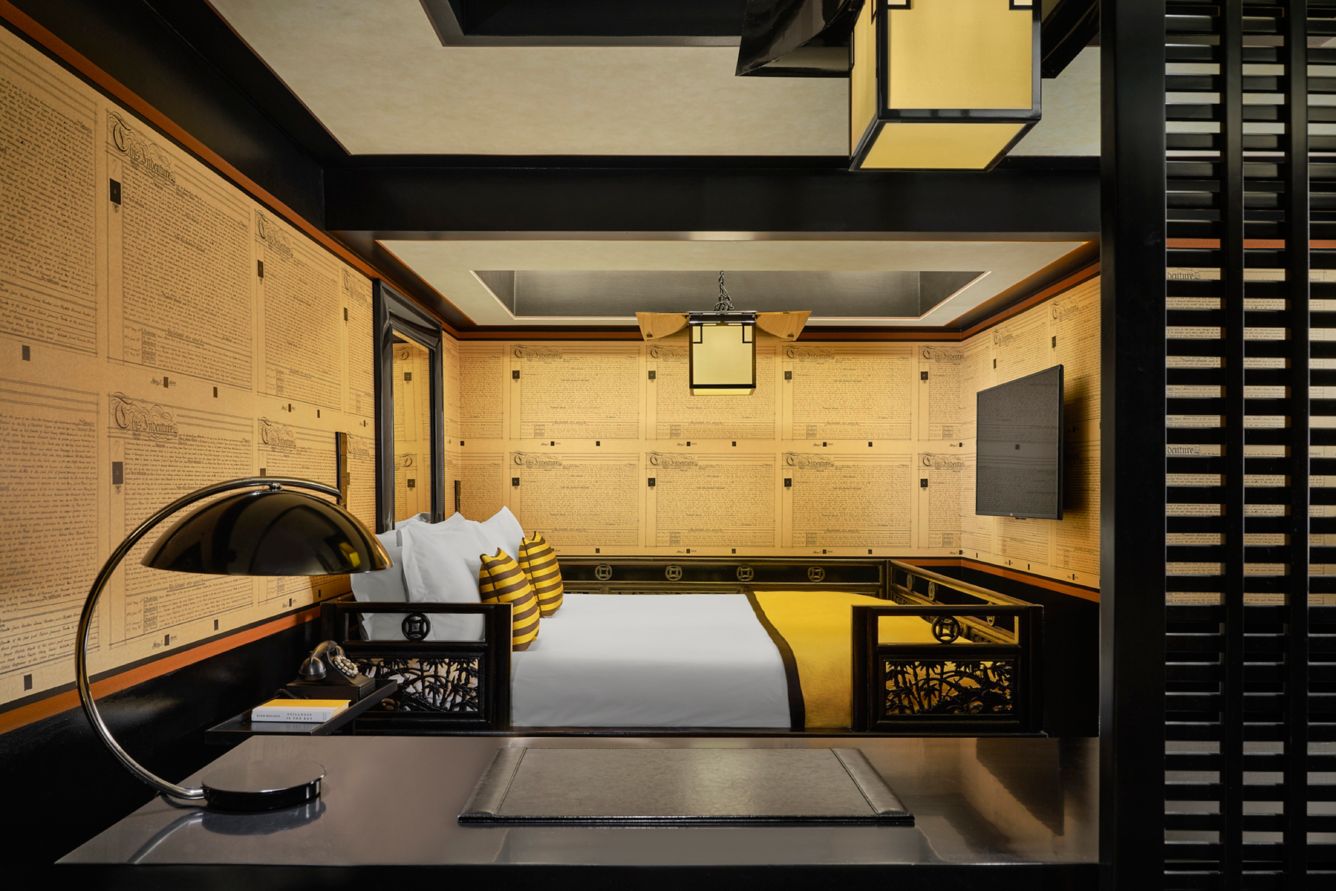
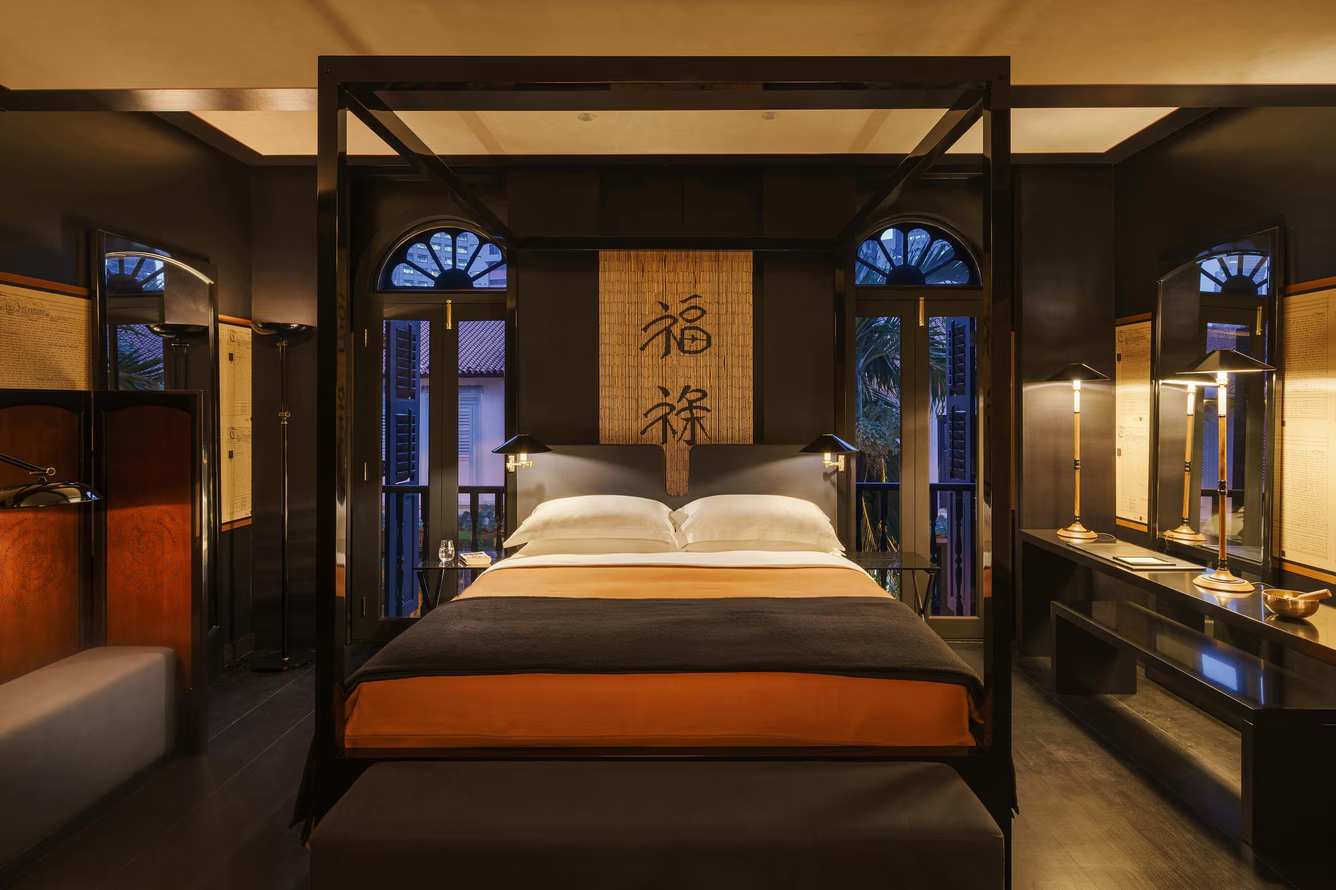
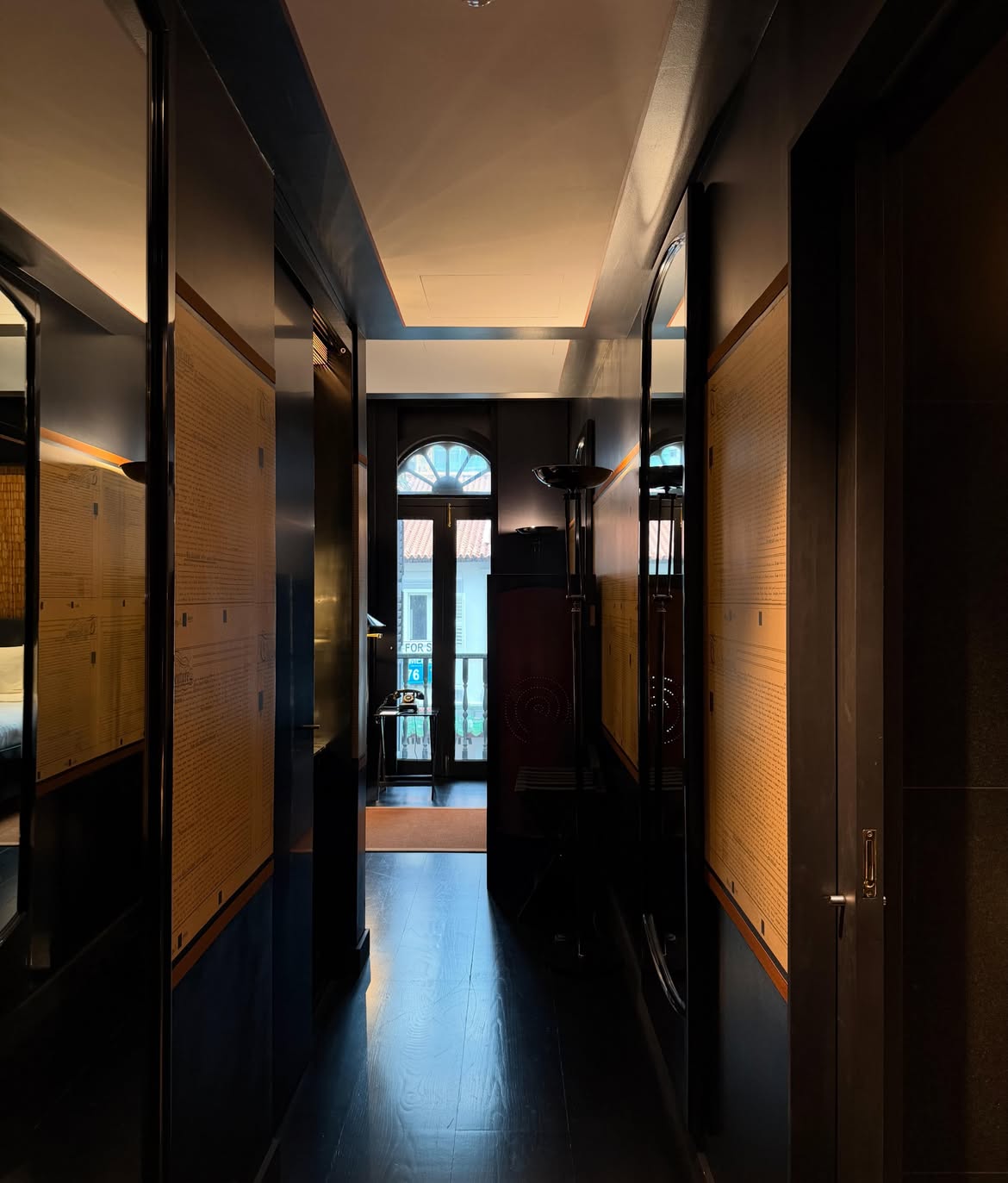
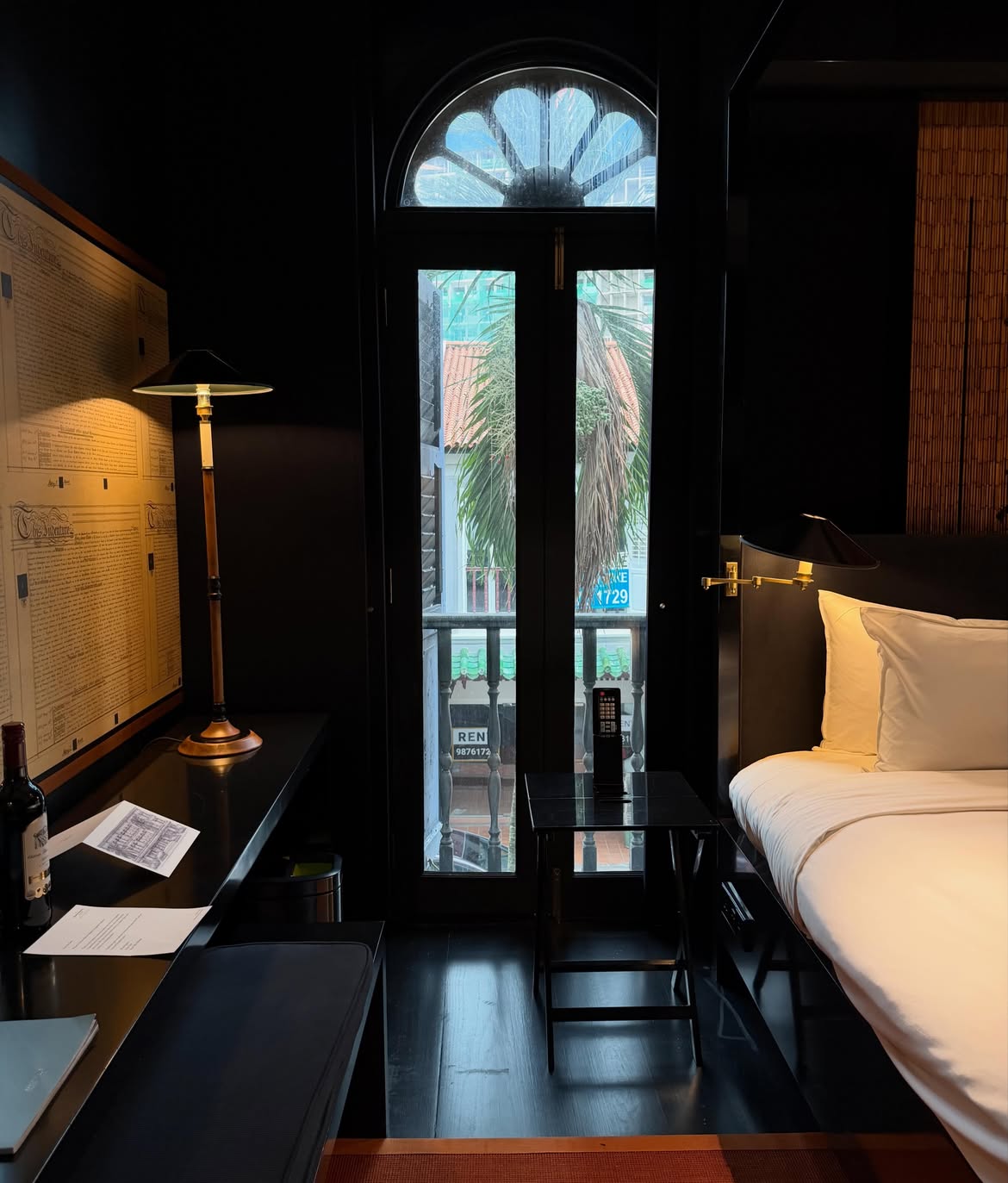
I stayed in the Opium Suite, one of the more distinctive rooms at Duxton Reserve. The suite has a strong sense of character, which makes sense given the building itself and the heritage shophouses that form part of the hotel.
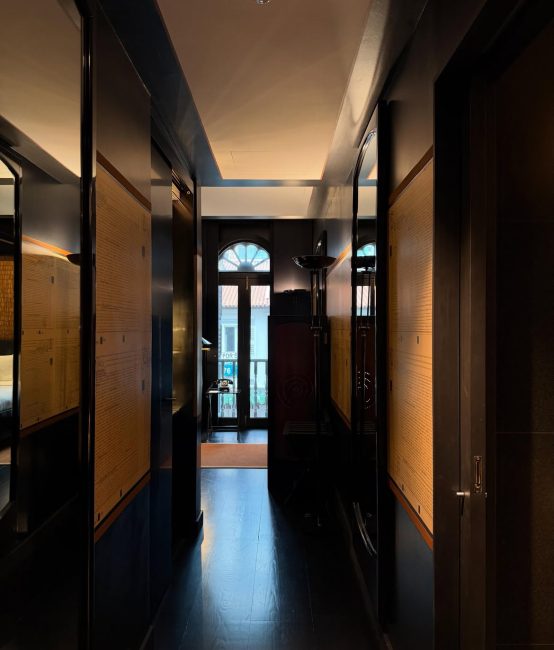
Rather than feeling like a standard luxury hotel room, the space has a more residential feel. The design combines the building’s heritage with contemporary details, creating something that feels elegant without being overly formal.
There are several room and suite categories at Duxton Reserve, from the more compact rooms to larger options such as the Opium Suite. Each has its own character, so choosing a room is not simply about getting more space. It is also about the type of experience you want from the hotel.
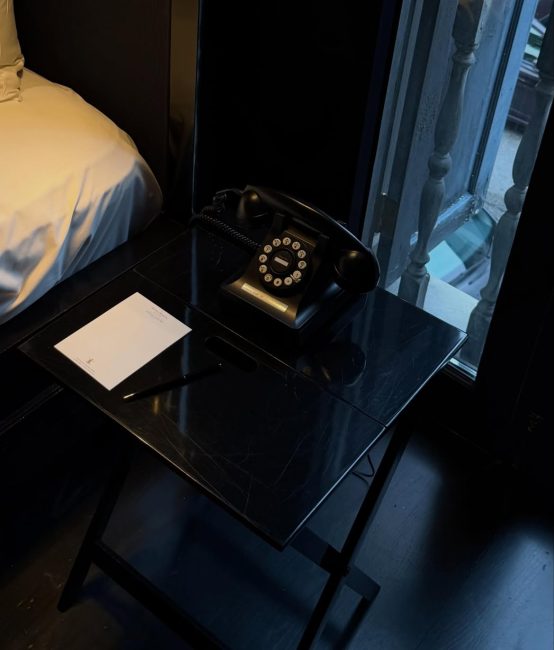
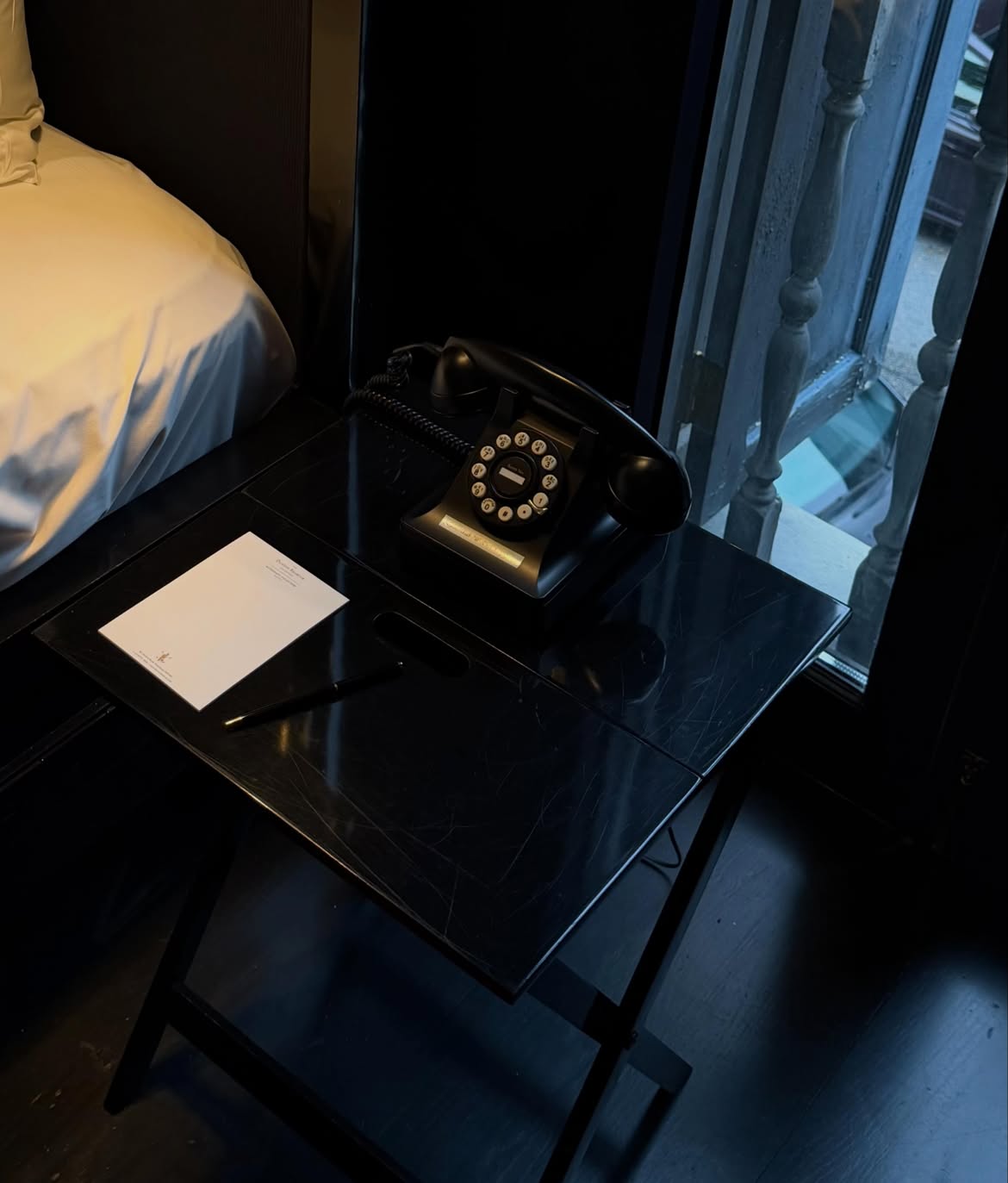
One of the details I particularly appreciated was waiting for me when I arrived. There was a completely handwritten note from Jeff Crowe, the General Manager, welcoming me to Duxton Reserve and explaining a little about what makes the hotel different from larger international properties.
I thought that was a lovely touch, particularly because the message felt genuinely personal rather than like a standard welcome letter prepared for every guest.
There was also a bottle of wine waiting for me, which was a very nice welcome after travelling. These gestures are small, but they immediately make the experience feel more personal.
I also noticed that the staff knew my name throughout my stay. That is something you rarely get in a larger international hotel, and it makes a real difference. There is a sense that people actually know who you are rather than simply recognising your room number.
And that, for me, is one of the strengths of staying somewhere with a smaller number of rooms. The experience feels more personal from the moment you arrive, and the hotel has the space to let its character come through.
The Opium Suite certainly felt like more than just somewhere to sleep. It felt connected to the history and personality of Duxton Reserve, which is exactly what I want from a hotel with this kind of heritage.
A Little More Than Just a Room
One of the things that made my stay at Duxton Reserve even more enjoyable was the access to its lounge benefits. Anushka Silwal, the hotel’s Marketing and Communications Manager, had kindly arranged these as part of my stay, and they turned out to be a lovely addition to the experience.
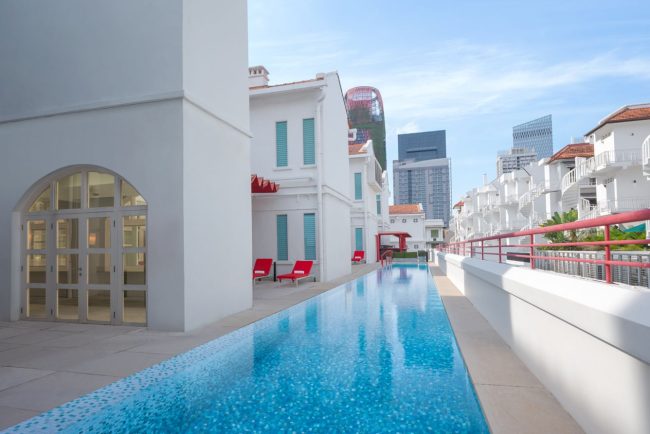
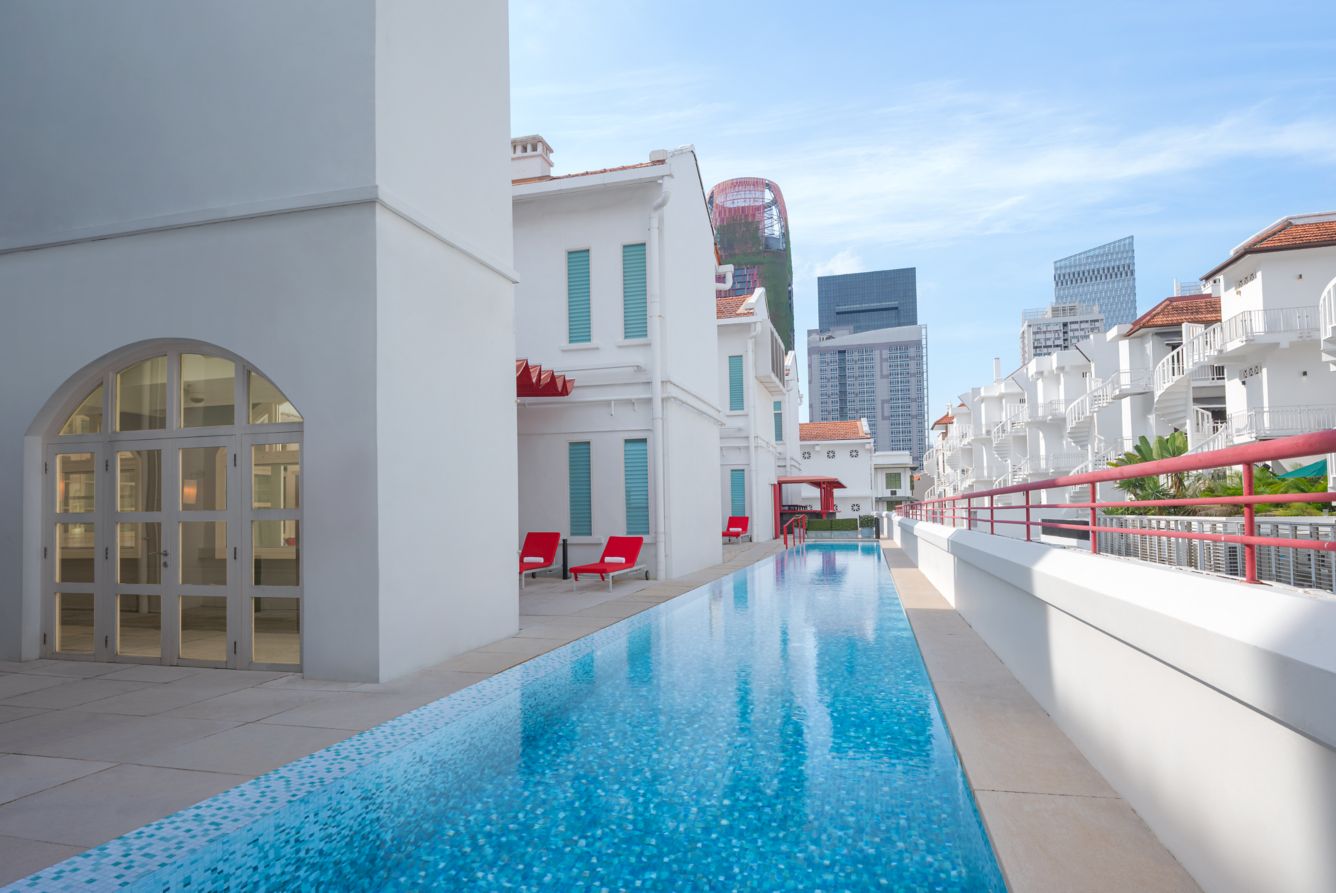
The benefits included daily breakfast, access to the lounge with afternoon refreshments and evening cocktails and hors d’oeuvres, as well as access to the pool and gym at Maxwell Reserve, the hotel’s sister property just a couple of minutes away. The hotel itself does not have a pool or gym, so I actually thought this was a clever way of making use of the two properties.
There was also airport pick-up and drop-off included, which made arriving and leaving Singapore particularly easy. The hotel also offered to arrange transportation if I was arriving from or continuing to another location within Singapore, rather than simply travelling to or from the airport. It is a small detail, but one that says quite a lot about the level of service they are trying to provide.
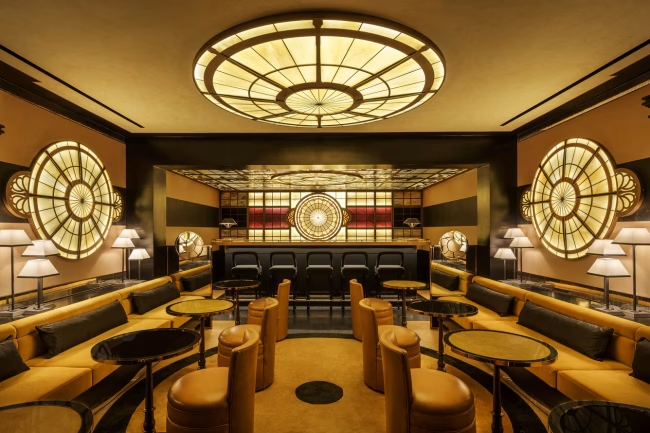
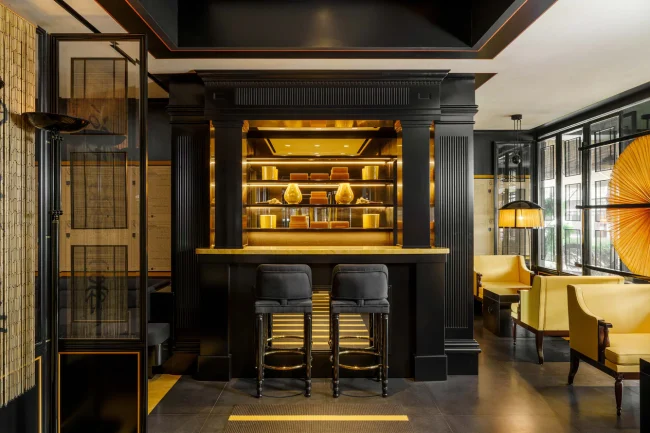
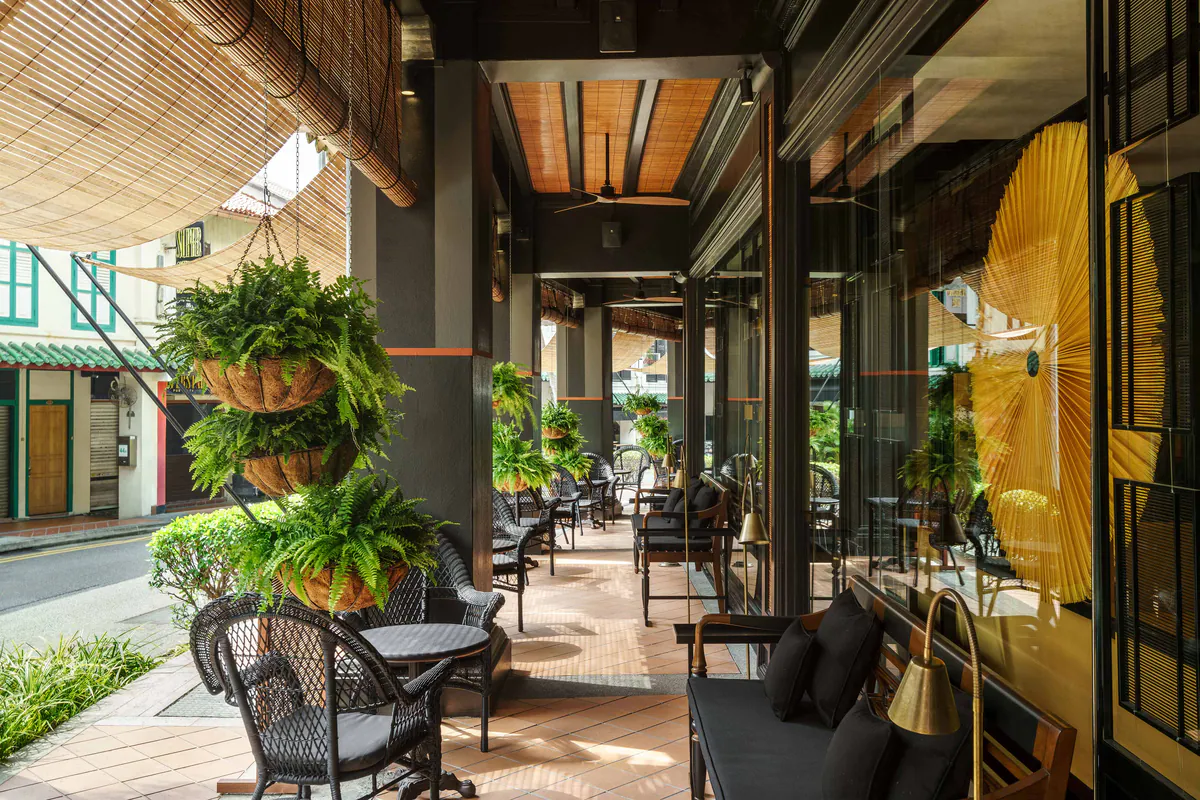
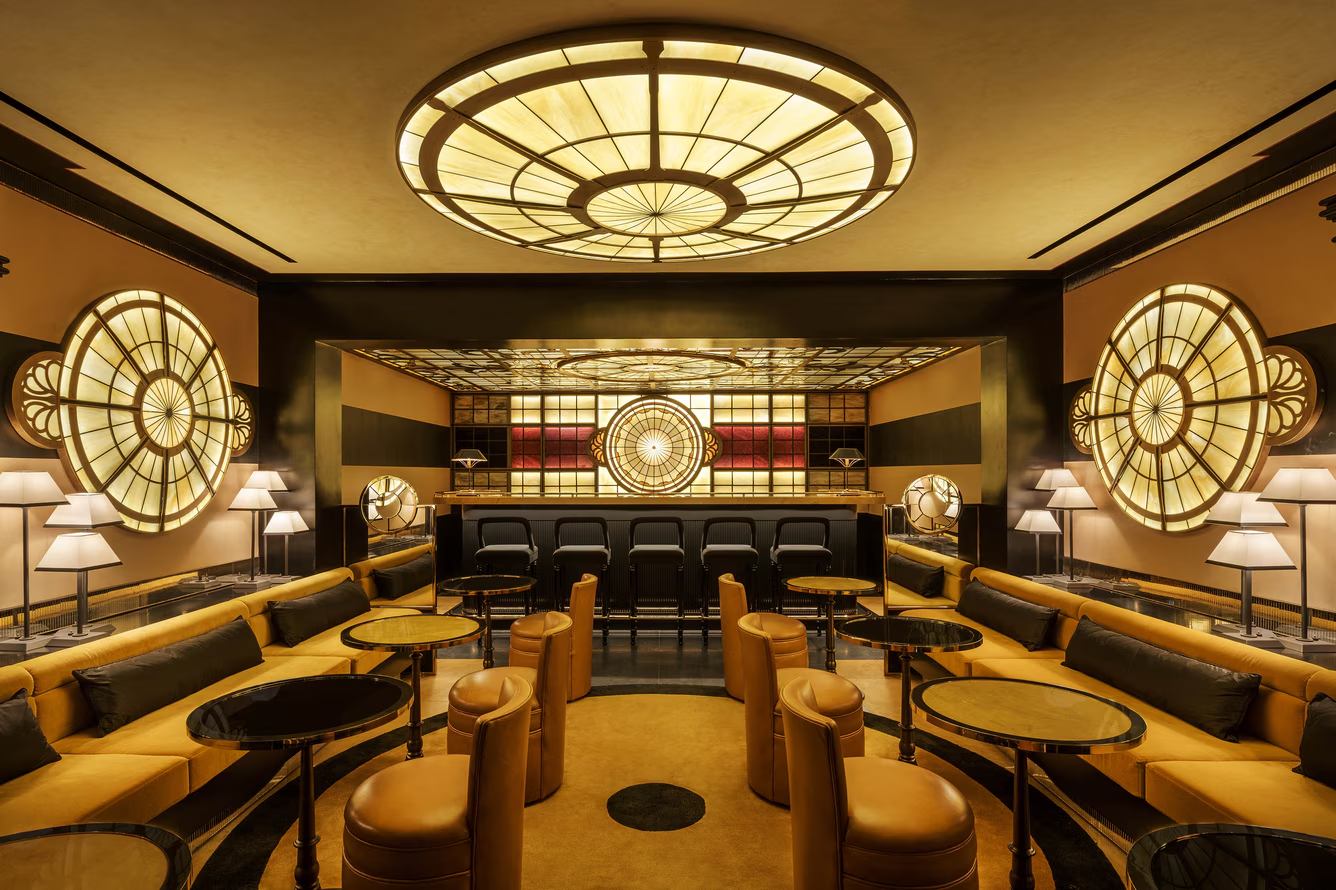
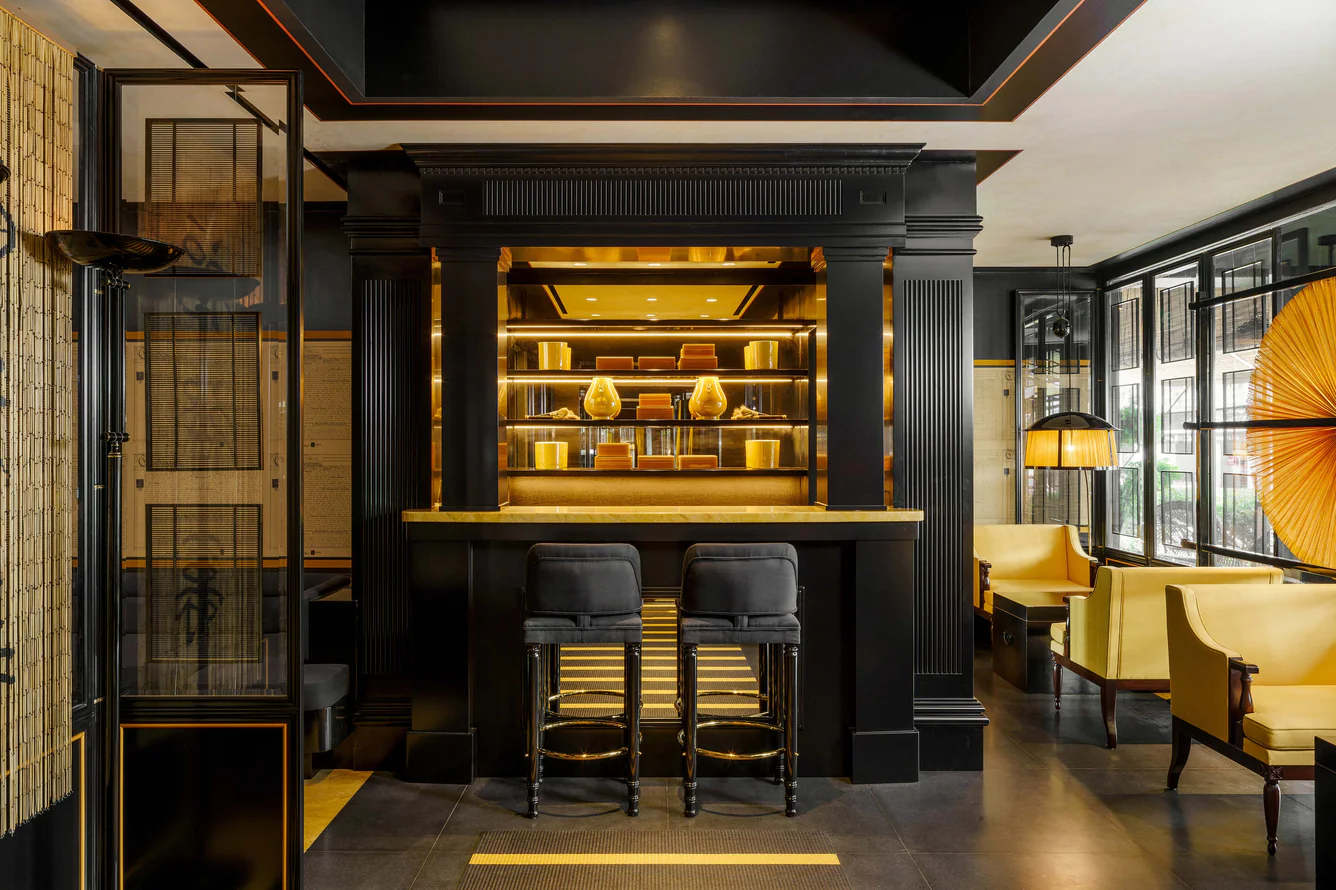
What I particularly liked was that the lounge experience did not feel like a conventional hotel executive lounge. Anouska’s Bar takes on this role in the evening, so you are sitting in a beautiful bar rather than in a separate, functional lounge space.

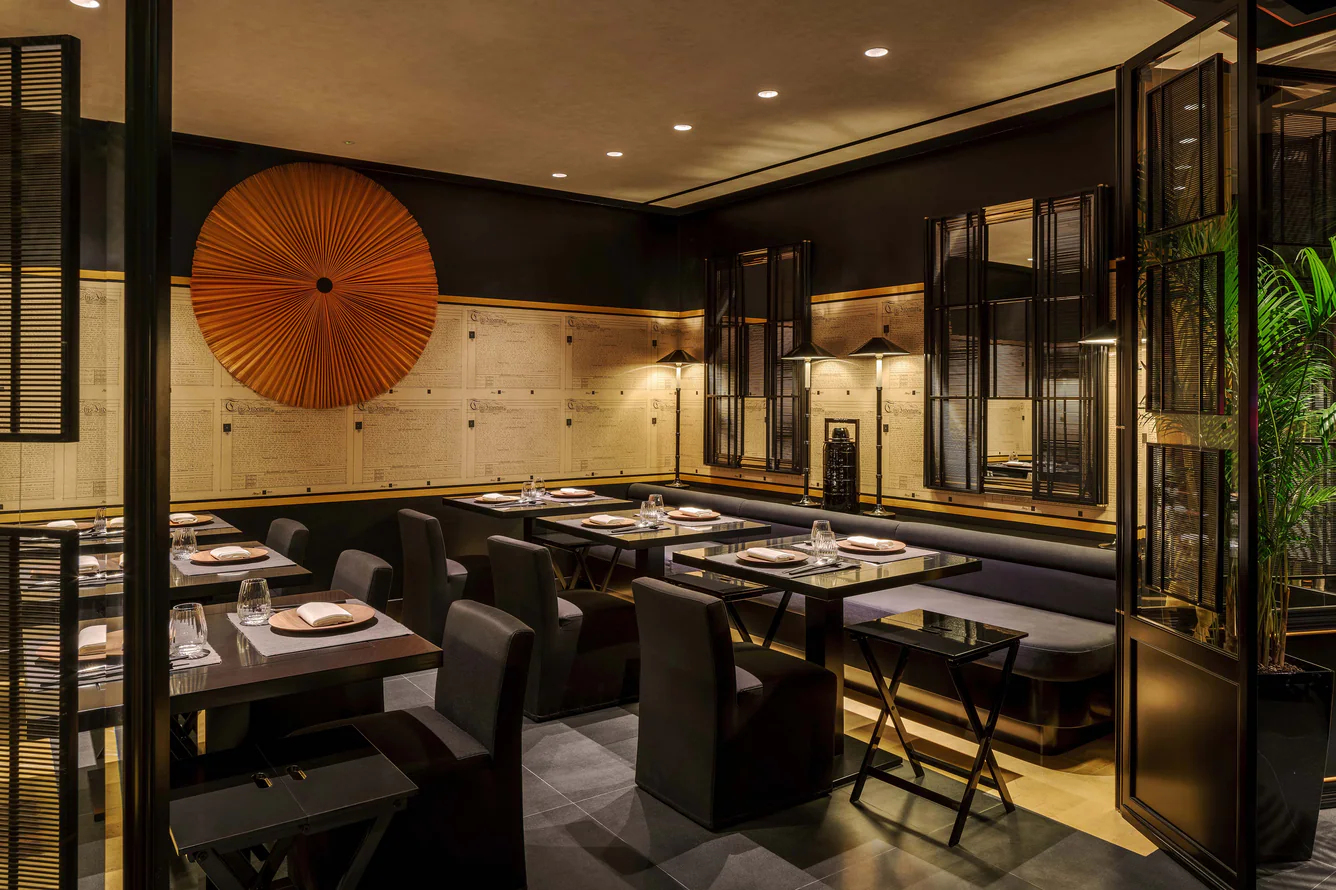
I could drop in for a drink, have something small to eat and simply enjoy the atmosphere. It felt much more intimate than the typical hotel lounge experience, which suits Duxton Reserve much better.
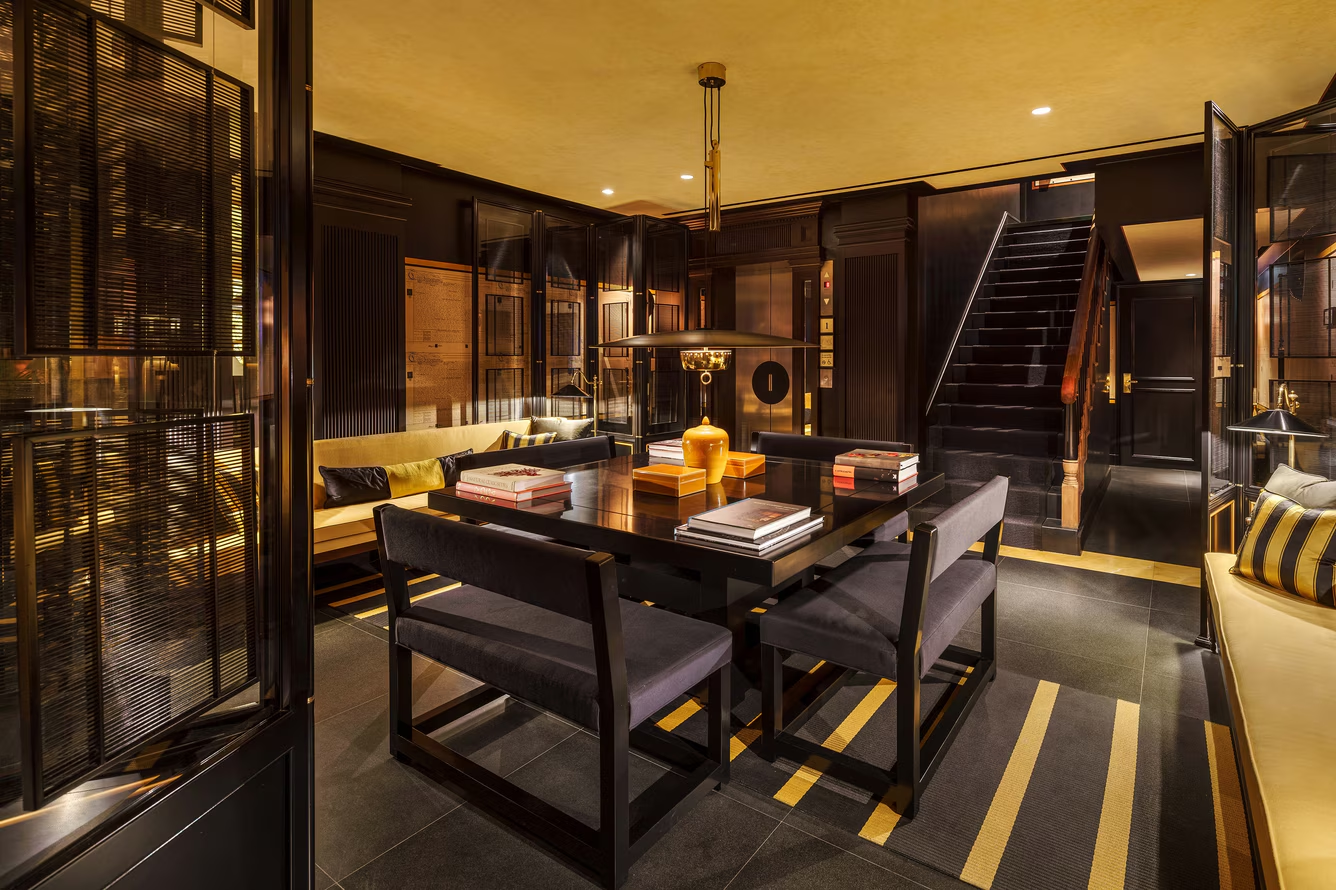
And having Maxwell Reserve so close also gives you another space to explore during your stay. A quick walk gets you to the pool and gym, so you have access to facilities without changing the character of Duxton Reserve itself.
For me, these benefits added another layer to the stay. The hotel is small by design, but that doesn’t mean the experience feels limited. It makes clever use of what is around it.
Eat, Drink & Experience Duxton Reserve
Food is an important part of the Duxton Reserve experience, and I had the chance to discover both of its main dining spaces during my stay.
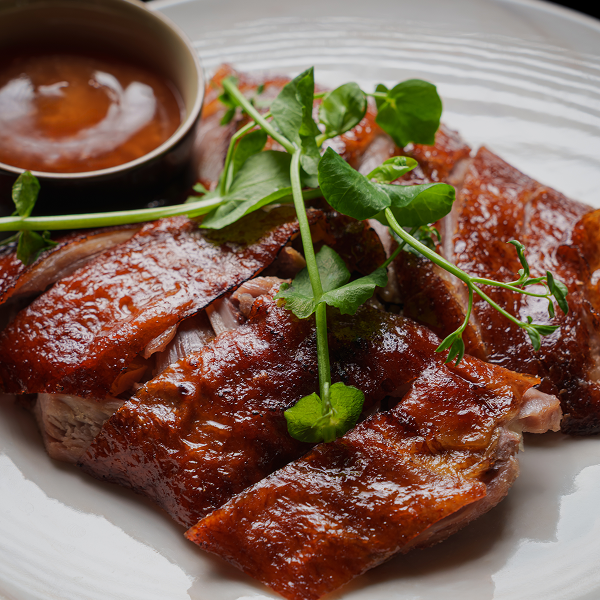
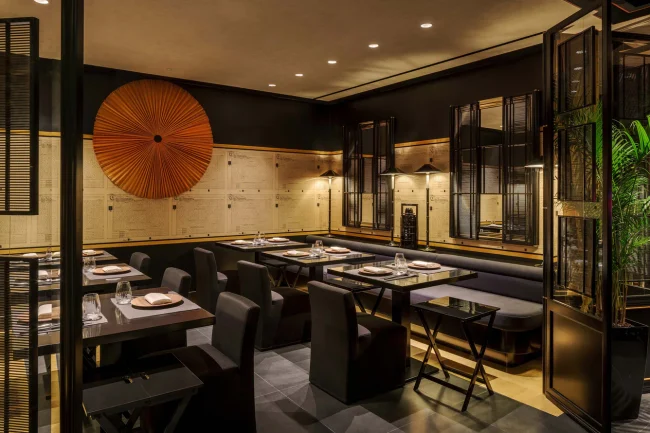
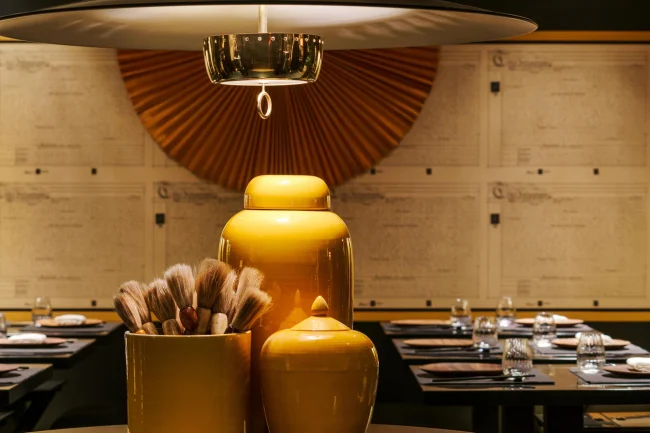
The Marketing team kindly arranged a tasting experience for me at Yellow Pot, which gave me the opportunity to try a selection of the restaurant’s modern Chinese cuisine. I genuinely loved the experience. The signature roast duck was particularly exquisite, with perfectly crisp skin and incredibly tender, flavourful meat. The cooking draws from different regional Chinese traditions, while keeping the approach contemporary and focused on the ingredients.
What I found particularly interesting is the restaurant’s approach to sourcing. The hotel talks about working with small suppliers and keeping the supply chain short, from seafood sourced locally to vegetables from nearby farms and ingredients made by small producers. That attention to where things come from makes a difference when you are sitting at the table.
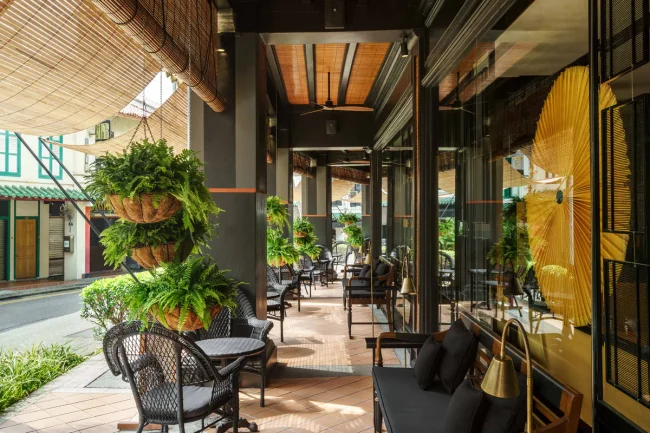
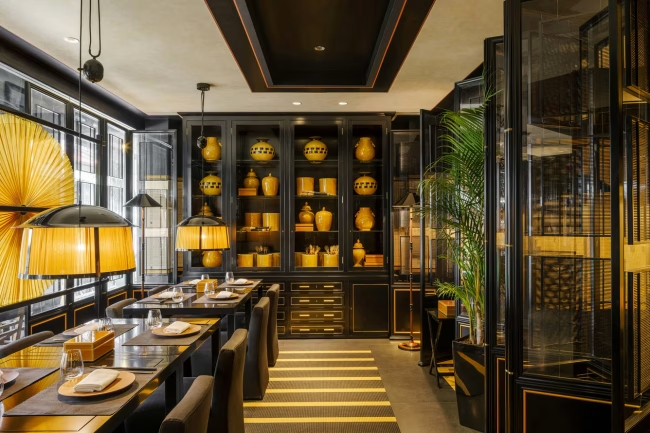
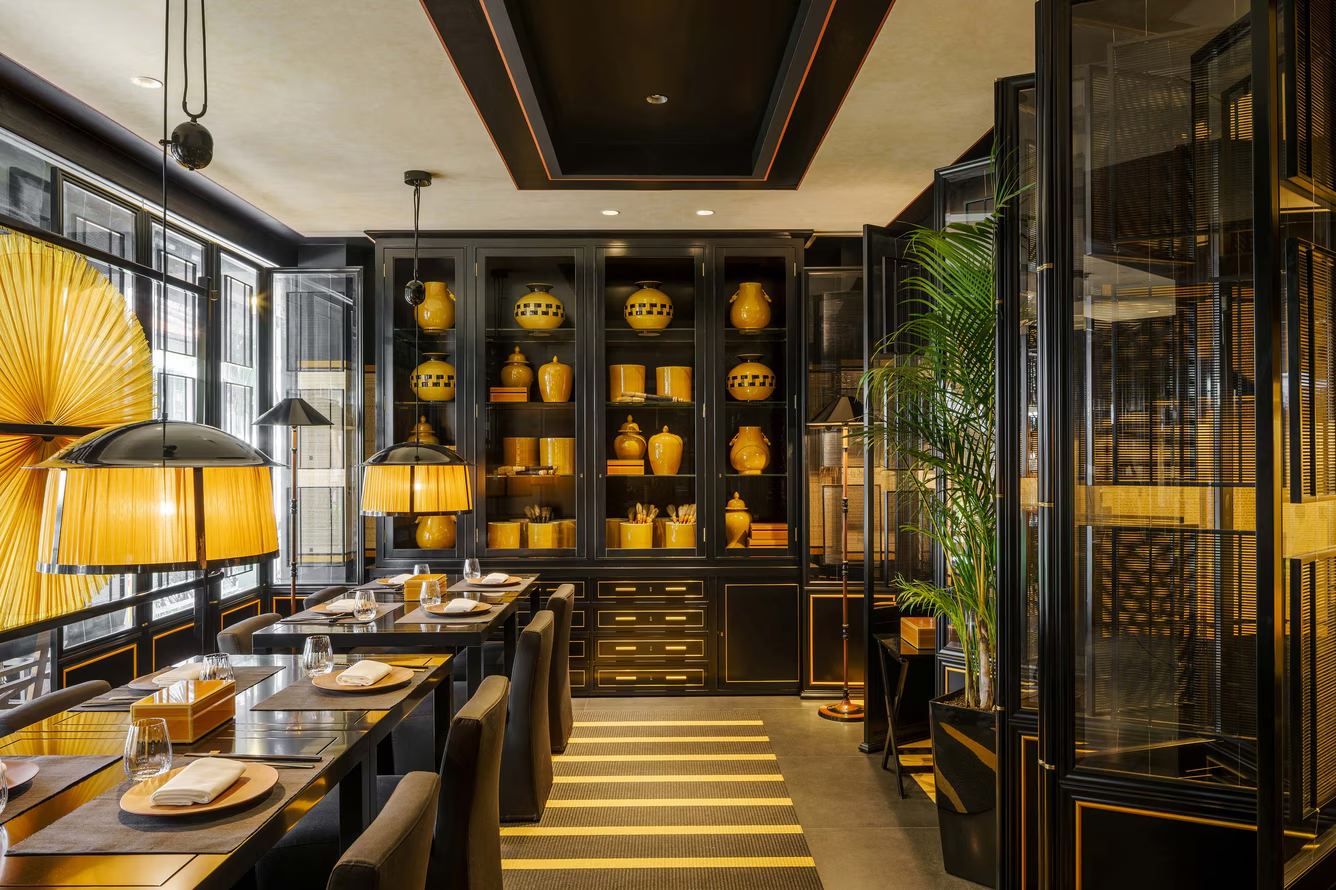
But what I really liked about Yellow Pot is that it does not feel like a restaurant that exists simply because there is a hotel upstairs. The dining room opens onto Duxton Road, and the restaurant is very much part of the neighbourhood.
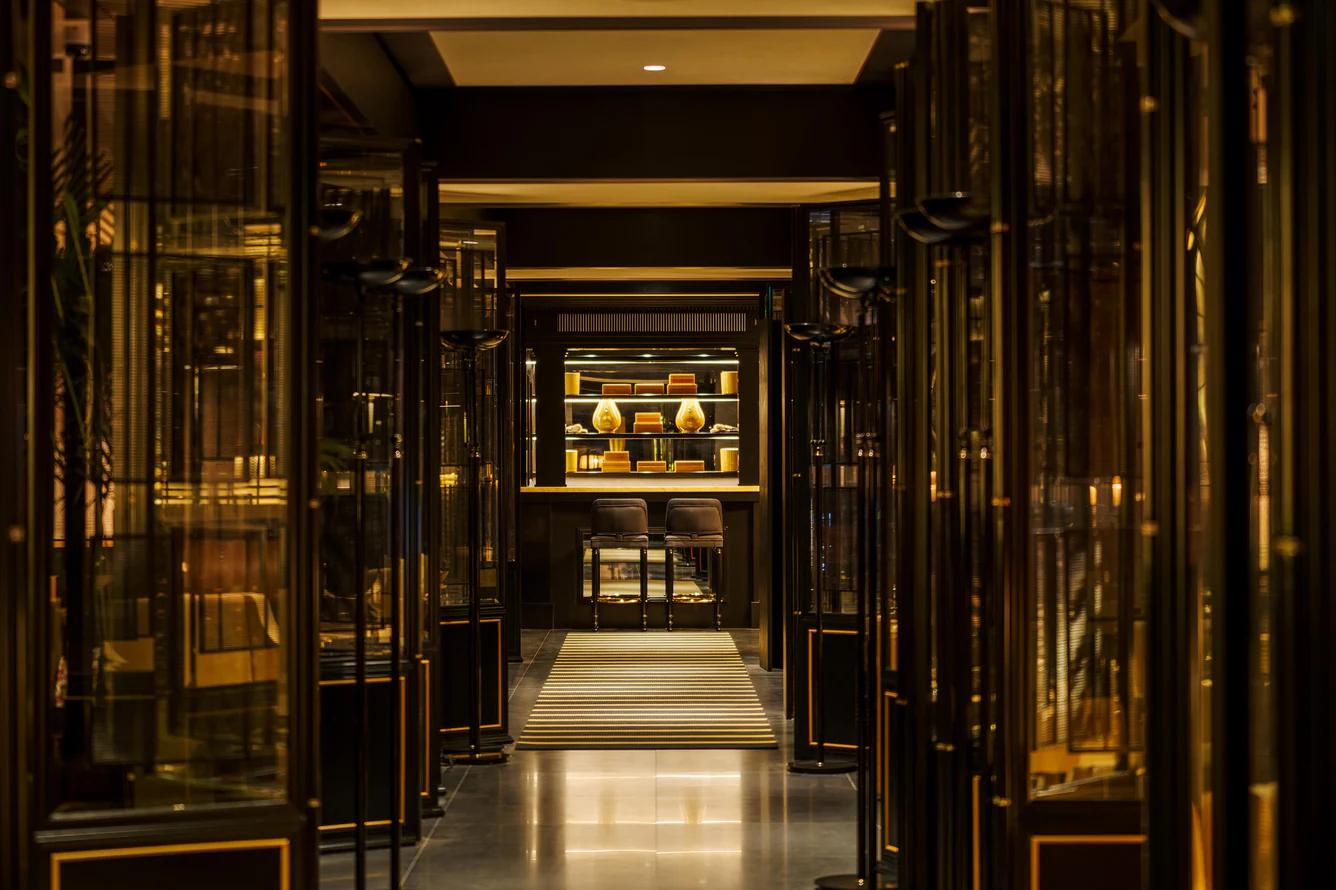
Then there is Anouska’s, the hotel’s cocktail bar, named after designer Anouska Hempel. It occupies a beautiful space with an original 1860s ceiling, and the atmosphere is much more intimate than Yellow Pot.
The drinks menu leans towards spirits with a sense of place, including Asian gins and Japanese whiskies, alongside cocktails that use local ingredients. I did not get the chance to explore the cocktail menu in depth during my stay, but I loved the atmosphere of the bar and the feeling that it has its own identity.
The hotel puts it very well: you do not have to be staying at Duxton Reserve to come here for dinner or a drink. And I think that is important.
For me, that is what makes the dining experience work. Yellow Pot and Anouska’s do not feel like hotel facilities you use because you happen to be staying there. They feel like places you would choose because you actually want to be there.
Inside the Hotel, Outside in Duxton Hill
One thing I really liked about Duxton Reserve is that the experience does not stop when you walk out of the hotel.
The hotel has its own little rituals, from breakfast in the morning to afternoon tea at Yellow Pot and evening drinks at Anouska’s. But at the same time, it constantly pulls you back into the neighbourhood around it.
Duxton Hill is a small, curved street lined with heritage shophouses, restaurants, bars and independent businesses. It feels very different from the more polished parts of Singapore, and I loved simply walking around without having a particular plan.
The hotel team also knows the neighbourhood extremely well. They can point you towards their favourite coffee shops, restaurants or places to visit, which I think is much more useful than simply handing you a generic list of tourist recommendations.
I also liked the idea behind some of the experiences they suggest. A morning walk through Chinatown, coffee on Duxton Road or an evening at Anouska’s are not really presented as organised hotel activities. They are simply ways of experiencing the neighbourhood at a slower pace.
And then there is Maxwell Reserve, the hotel’s sister property, just a couple of minutes away. Duxton Reserve guests have complimentary access to its pool and gym, so you can easily add those facilities to your stay without changing the more intimate character of Duxton Reserve.
For me, this is what makes the hotel particularly interesting. It gives you enough to enjoy inside, but it never feels like you are supposed to stay behind the hotel doors. Duxton Hill is part of the experience.
A Hotel Designed by Anouska Hempel
There is no way to talk about Duxton Reserve without talking about Anouska Hempel. The British designer was behind the hotel’s interiors, and her influence is visible from the moment you walk through the door.
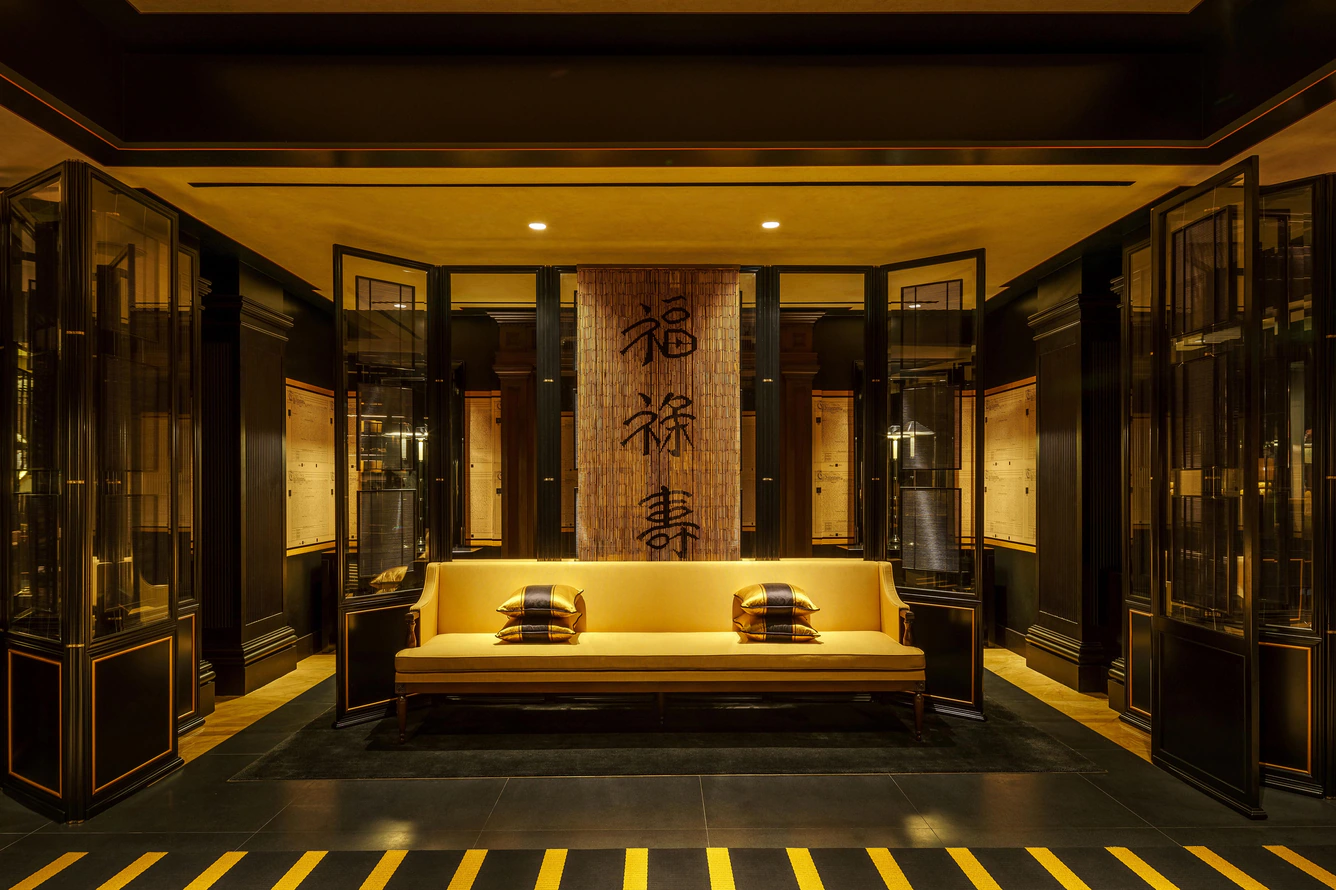
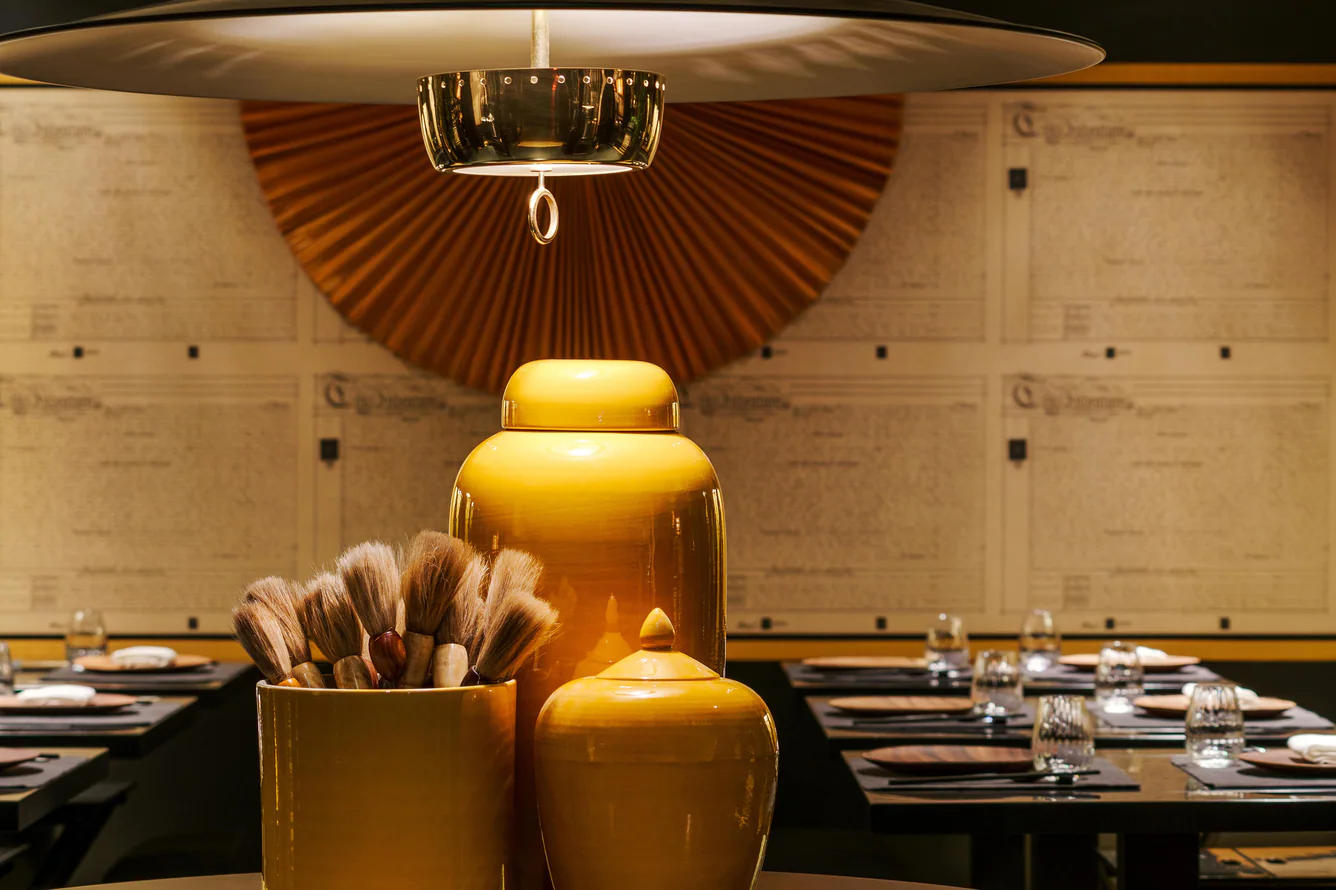
Hempel is known for creating spaces that feel theatrical and slightly unexpected, and Duxton Reserve is a good example of that approach. The hotel combines the character of the original shophouses with a very distinctive palette of black, gold and yellow, Oriental screens, large golden fans and wallpaper from Hempel’s own collection.
There is also something quite glamorous about the whole place. Hempel was a former Bond girl before becoming one of Britain’s best-known interior designers, and that slightly cinematic quality does come through in the hotel. It feels elegant, but never conventionally luxurious.
What I particularly liked is that the design does not try to erase the building’s history. Duxton Reserve occupies heritage shophouses dating from the 1860s, and the architecture remains an important part of the experience. The hotel has been designed around the original spaces rather than forcing everything into a standard hotel template.
That also explains why the rooms feel so different from one another. There are 49 rooms and suites, and no two are exactly the same. The original architecture dictates the proportions, windows and layouts, so each room has its own character.
For me, this is what makes Duxton Reserve particularly interesting. It feels like a hotel with a strong design identity, but one that still allows the history of the building to be part of the story.
Would I Stay at Duxton Reserve Again?
After spending a few days at Duxton Reserve, I understand what makes this hotel different from a more conventional international property.
The combination of the heritage building, Anouska Hempel’s design, the intimate scale and the very personal service gives it a character that is difficult to replicate. It feels much more like an individual hotel than a hotel that belongs to a large international group.
I particularly liked the fact that the experience felt personal from the moment I arrived. The handwritten welcome note, the staff knowing my name and the attention to detail all made a difference. These are small things, but they are the kind of details that stay with you.
Would I stay at Duxton Reserve again? Yes.
But there is another reason I would keep looking at Autograph Collection hotels when I travel. The whole idea behind the brand is that each property has its own identity, rather than following one standardised design or hotel concept. Duxton Reserve is very much its own hotel, with its own history, architecture and personality.
That makes me curious about the other properties in the collection. I wouldn’t necessarily be looking for another Duxton Reserve. I’d be looking for another hotel with that same sense of individuality.
For me, that is probably the best thing a hotel can leave you with: the feeling that you have discovered somewhere rather than simply stayed somewhere.
Book Duxton Reserve Singapore
83 Duxton Rd, Singapore
More Travel Inspiration & Unique Stays
Find travel inspiration here
For a curated selection of unique places to stay around the world, start here—use the filters in the top menu to browse by country or region and discover your favorite.
Follow along on Instagram or TikTok for more fresh content
Stay curious. Stay kind. Keep exploring.