Temple Tree Langkawi: A Different Way to Experience Malaysian Heritage
Choosing Temple Tree Langkawi means choosing something quite different from a conventional resort. The property is made up of restored traditional houses and buildings from different parts of Malaysia, brought together to create a small and very unusual place to stay.
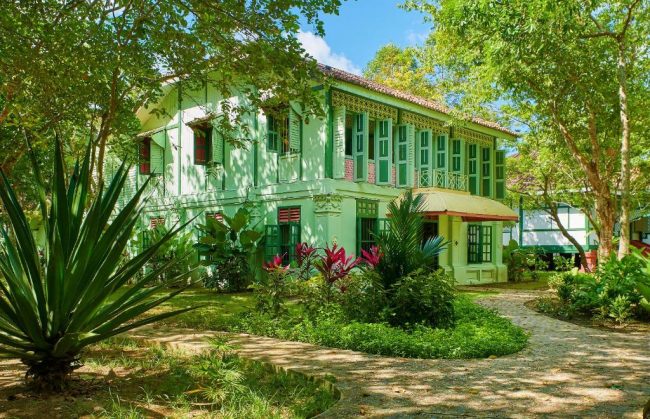
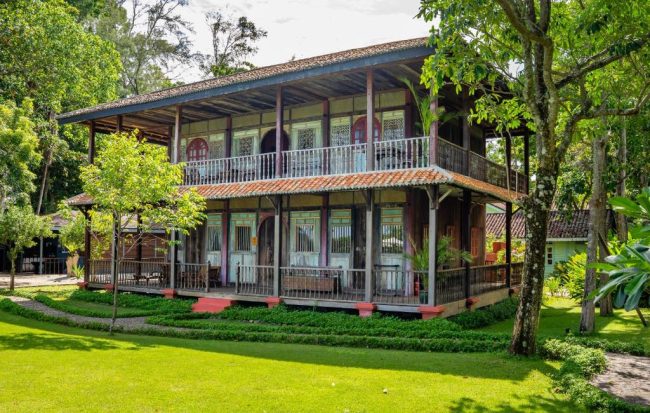
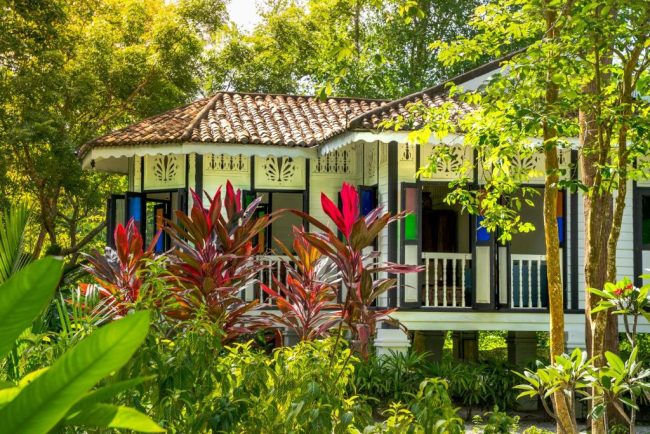
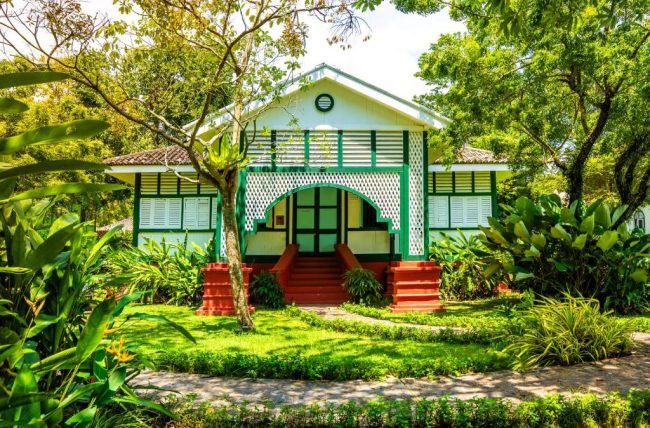
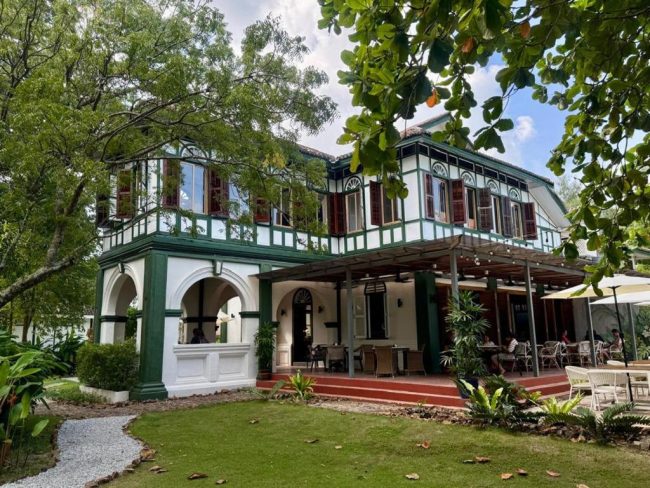
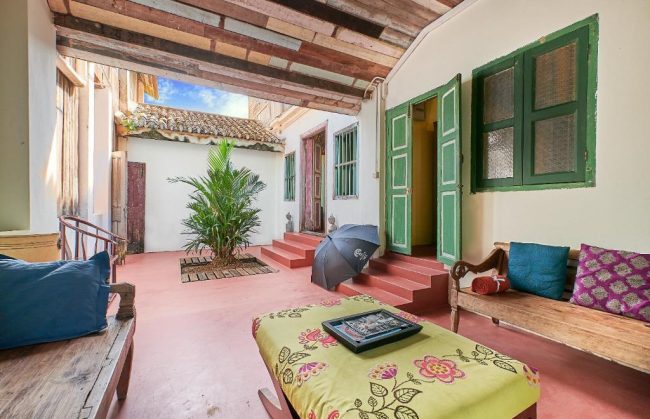
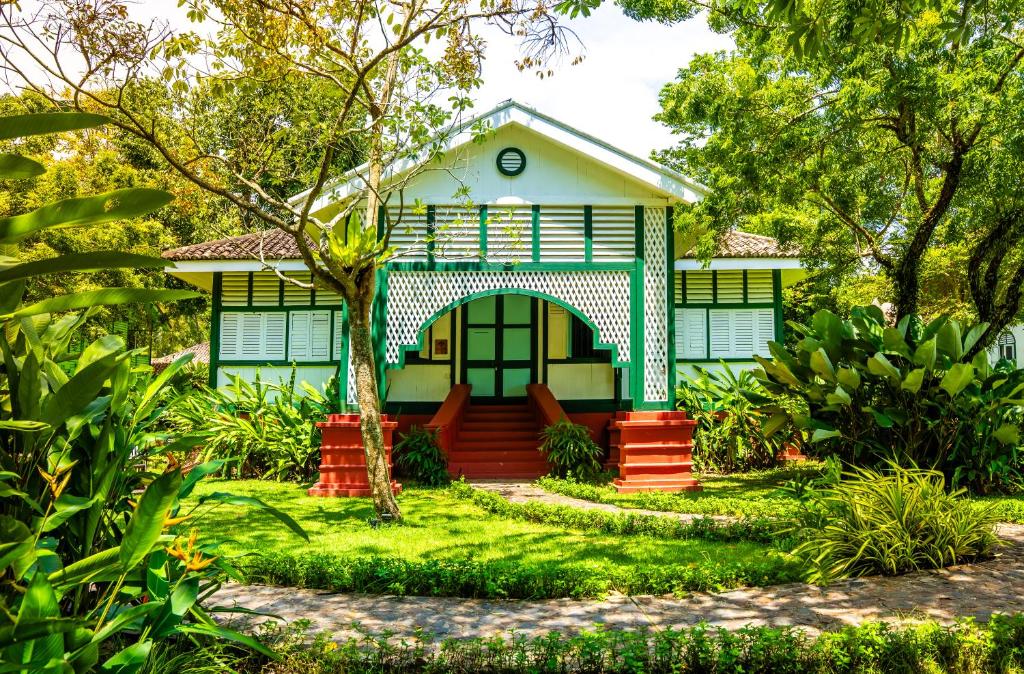
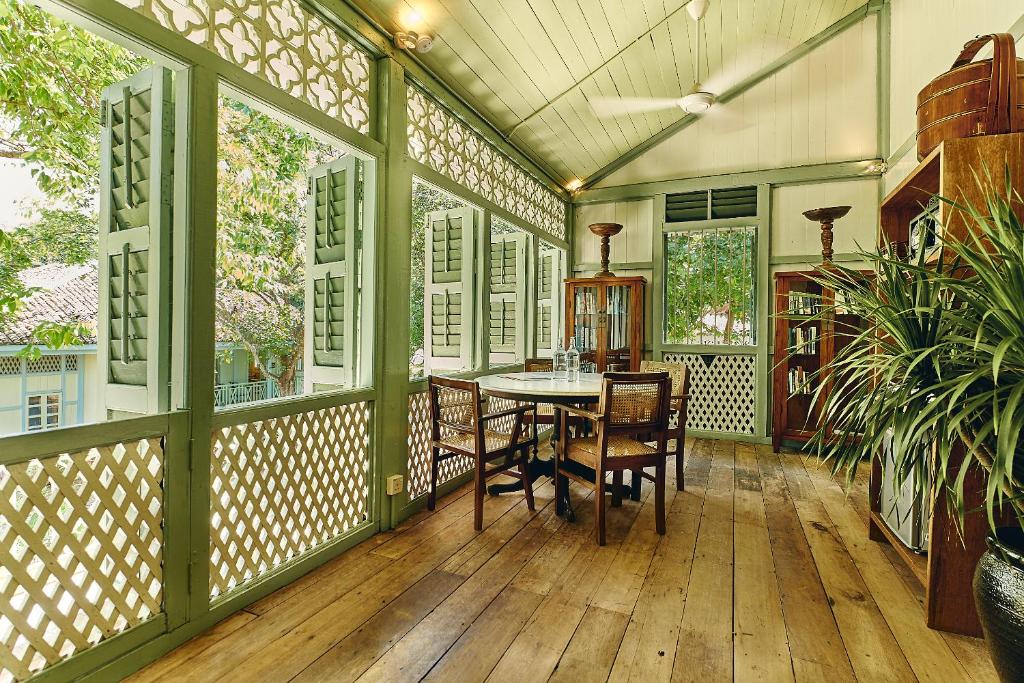
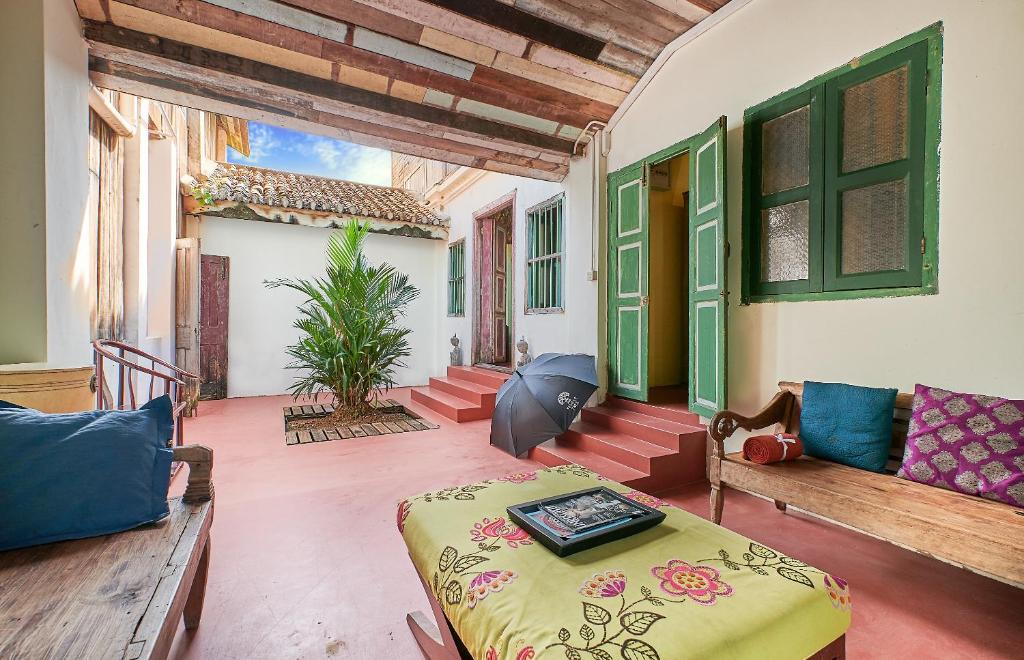
What immediately interested me about Temple Tree is that the heritage here is not simply part of the decoration. The houses themselves are the experience. Each one is between 80 and 130 years old and has been carefully relocated from different parts of Malaysia to Langkawi, giving the property a collection of buildings with their own histories and architectural character.
The idea was to preserve these traditional structures while giving them a new life as accommodation. Each house tells a different story, reflecting the region and period it came from, while being adapted to offer the comforts you expect from a modern stay.
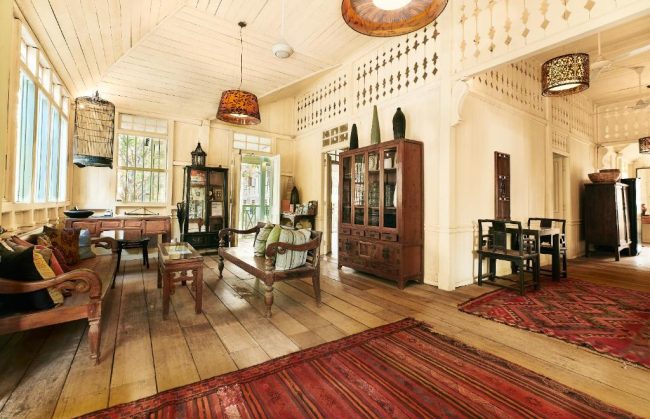
I particularly like that balance between old-world charm and modern comfort. You are surrounded by original architectural details and the character of traditional Malaysian homes, but you are not being asked to sacrifice the practical comforts of a contemporary hotel.
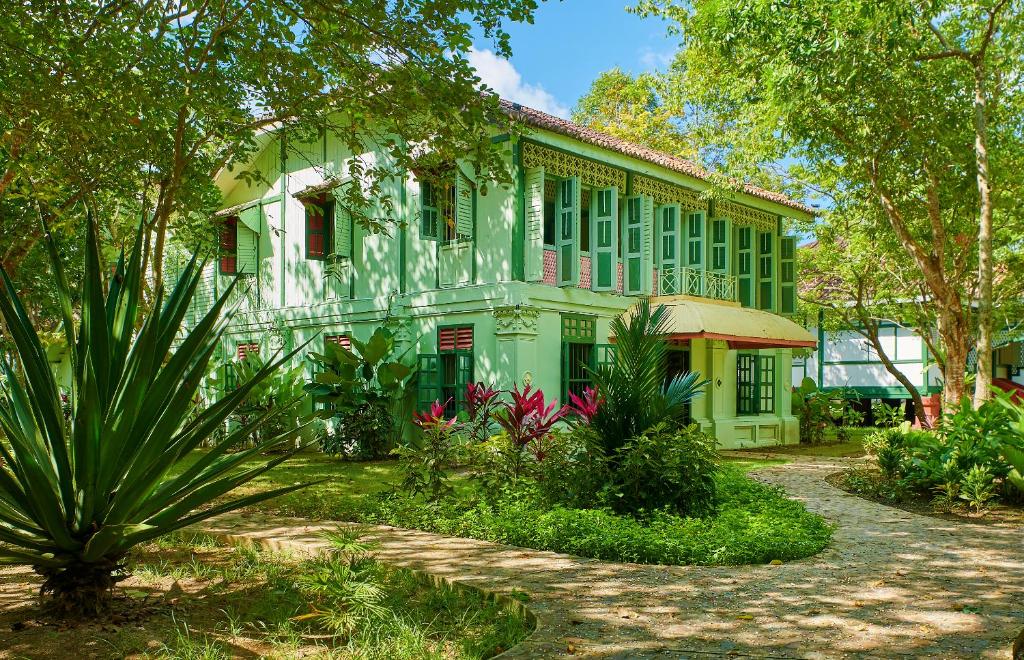
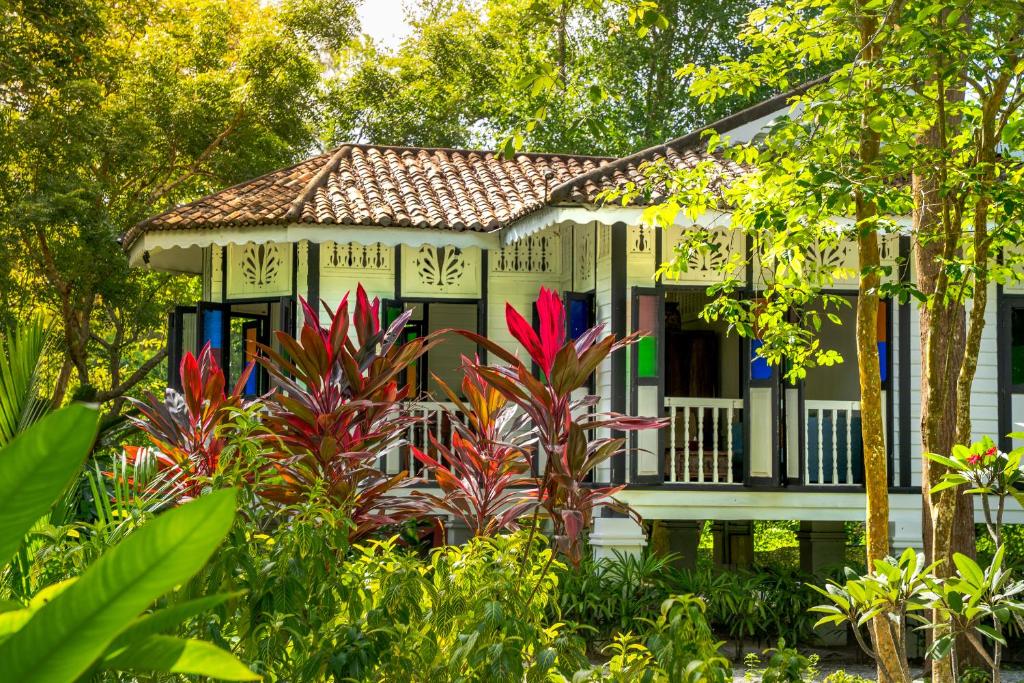
There is also something quite special about the way the different houses sit together. They are surrounded by tropical gardens and connected by paths, creating the feeling of a small heritage village rather than a conventional hotel complex.
I found that particularly interesting in Langkawi. The island is often associated with beaches, resorts and tropical landscapes, but Temple Tree offers a completely different way of experiencing it. The architecture and history become part of the stay rather than simply something you visit.
For me, that is the appeal of Temple Tree. It is not simply a boutique resort with a heritage-inspired aesthetic. It gives traditional Malaysian architecture a second life, bringing houses from across the country together in one place while creating somewhere you can actually experience their history.
PS: Check out highlights from my recent trip to Malaysia → Malaysia
A Heritage Hideaway in Langkawi
Temple Tree Langkawi is located in the northwest of the island, close to Pantai Cenang and not far from Langkawi International Airport. That puts you close to one of the island’s main bases for restaurants, activities, shops and everything you might need during your stay.
Pantai Cenang can get busy, particularly at certain times of day, but I actually think that makes Temple Tree’s location work even better. You can have the energy of Cenang when you want it, and then return to somewhere that feels completely different.
Getting around Langkawi is also surprisingly easy. Grab is inexpensive, so you can move between Temple Tree, Cenang and other parts of the island without needing to stay tied to one particular area.
And you will want to explore. As much as I could happily spend days at Temple Tree, Langkawi is an island you should experience beyond your hotel, from its beaches and waterfalls to its viewpoints, villages and quieter corners.
What I liked about Temple Tree is that the property gives you a peaceful base for doing exactly that. The traditional houses are surrounded by tropical gardens, and moving between them feels more like walking through a small heritage village than staying in a conventional hotel.
There is a noticeable change of pace once you enter the property. The roads and beaches of Langkawi are still close, but inside Temple Tree everything feels more residential and unhurried.
For me, that balance is one of its strengths. You are close enough to Pantai Cenang to have Langkawi at your fingertips, but far enough away to return to a completely different atmosphere at the end of the day.
My Little House at Temple Tree
One of the things that makes staying at Temple Tree so different from a conventional hotel is that you do not really stay in a room. You stay in a house.
The resort has 26 rooms and suites spread across eight restored heritage houses, each more than 80 years old and originally located in different parts of Malaysia. The houses were carefully dismantled, transported and reconstructed at Temple Tree, preserving their character while giving them a new life in Langkawi.
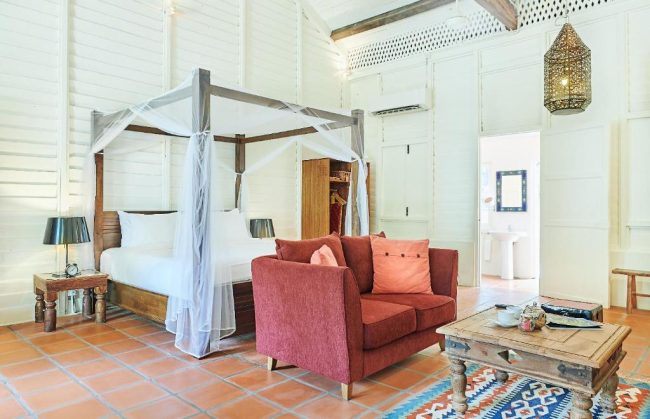
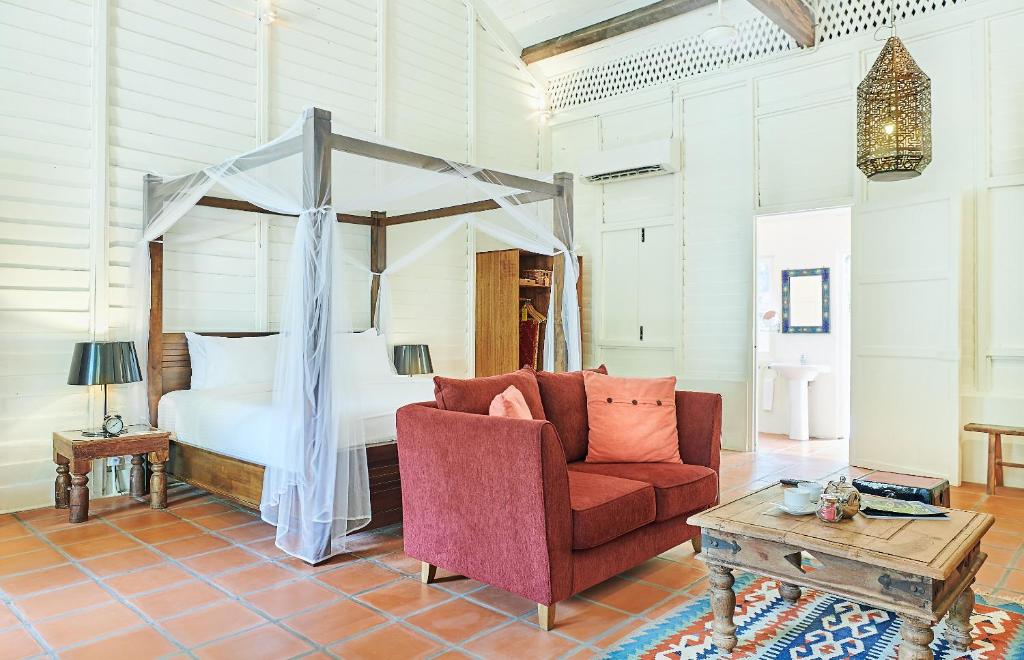
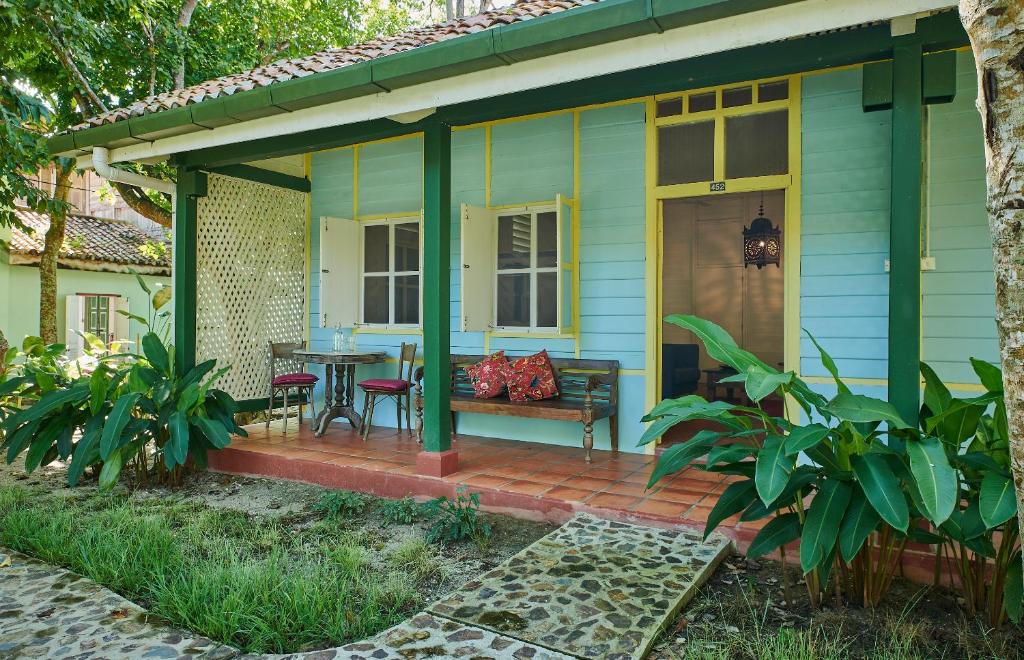
I stayed in one of these houses, and I quickly found myself thinking of it as my little house in Langkawi rather than my hotel room. There was something very different about having my own entrance, outdoor space and the feeling of coming back to a small home at the end of the day.
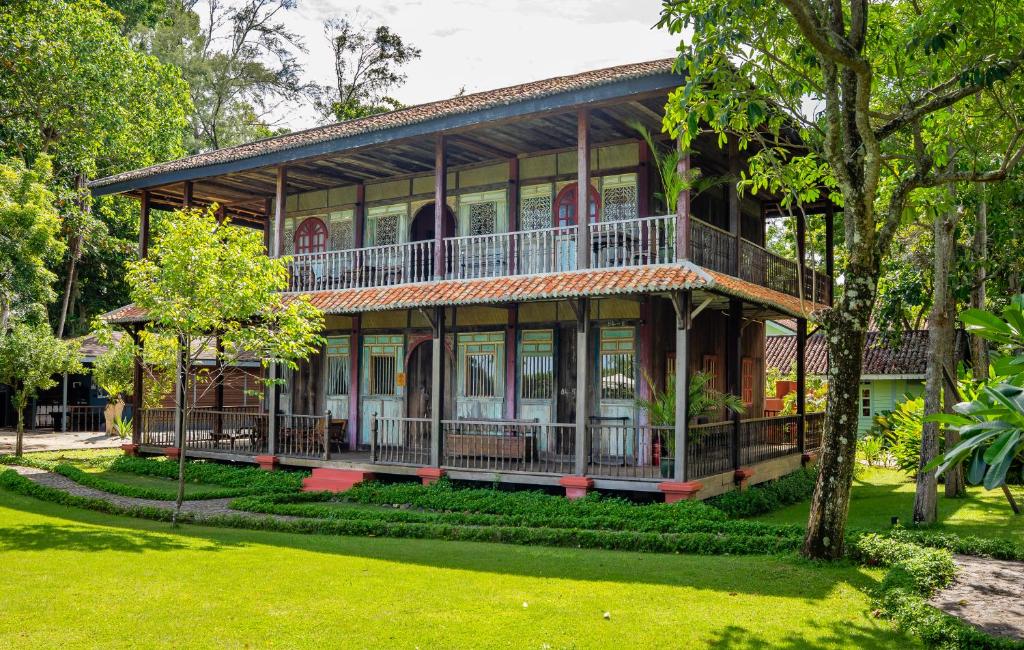
What makes the concept particularly interesting is that there is no single style running through all the houses. Each one has its own story, architecture and personality, depending on where it came from and what it was originally used for.
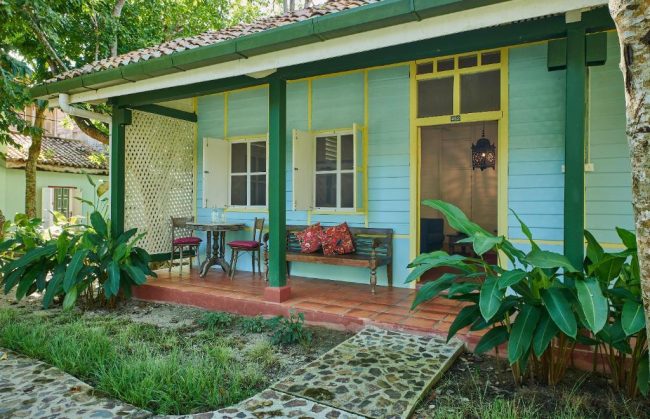
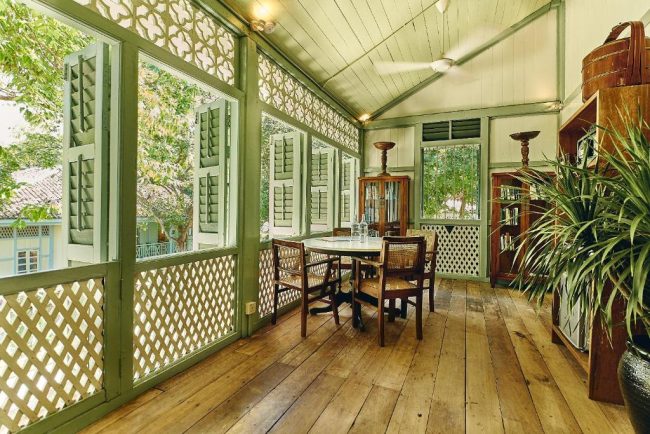
Straits House, for example, is a 90-year-old Eurasian home from Penang. Its colonial exterior has been combined with bright yellow and sky-blue interiors, a large veranda and its own private pool. It feels completely different from Johor House, a 100-year-old Chinese-Malay farmhouse with Taiwanese influences and wraparound verandas overlooking the gardens and pool.
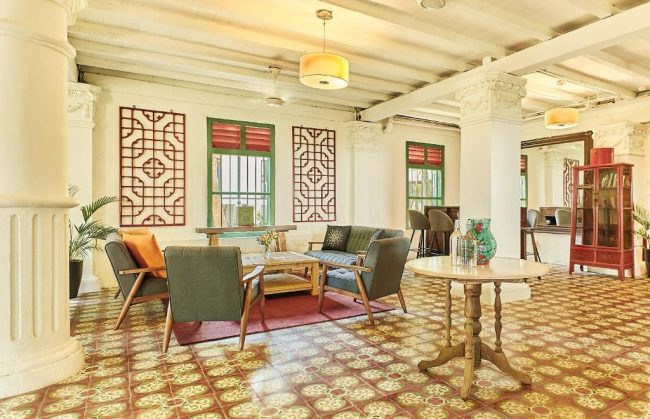
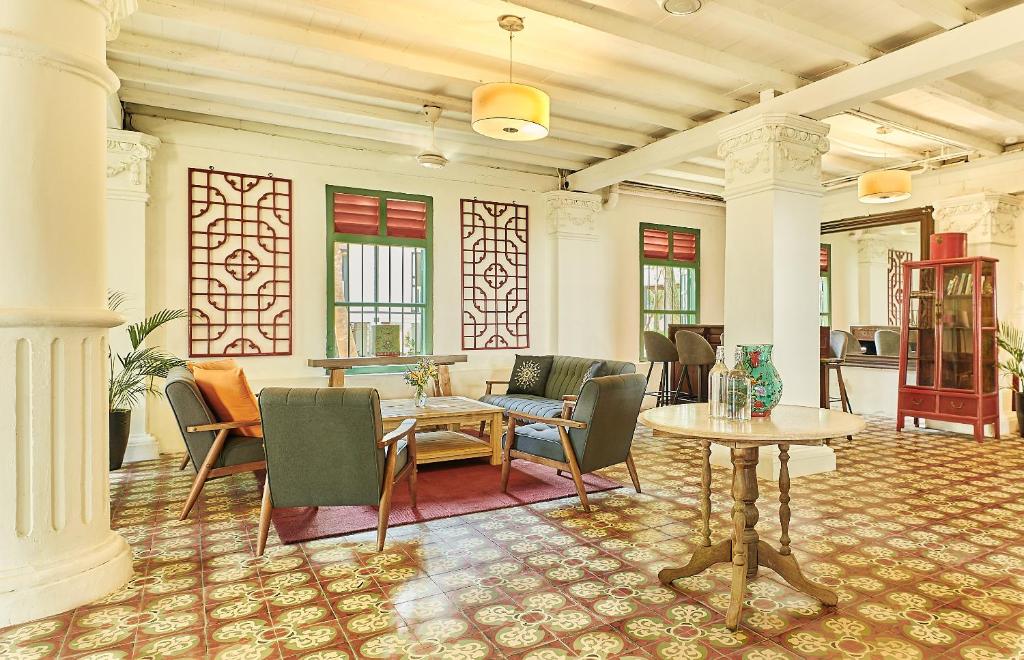
Then there is Estate House, a restored 1940s longhouse originally built for Indian rubber estate workers near Ipoh. It retains its elongated layout and high ceilings, while each room opens towards verandas and gardens. Colonial House takes you somewhere else again: a grand 1920s Penang residence once owned by goldsmith traders, with ornate cornices, vintage floor tiles and its distinctive fish-scale canopy.
I love that you can actually see these different histories in the accommodation. They do not feel like hotel rooms decorated to look traditional. They feel like real homes that have been given a second life.
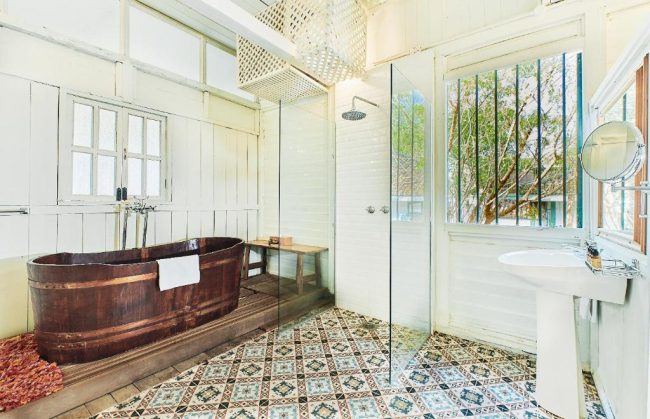
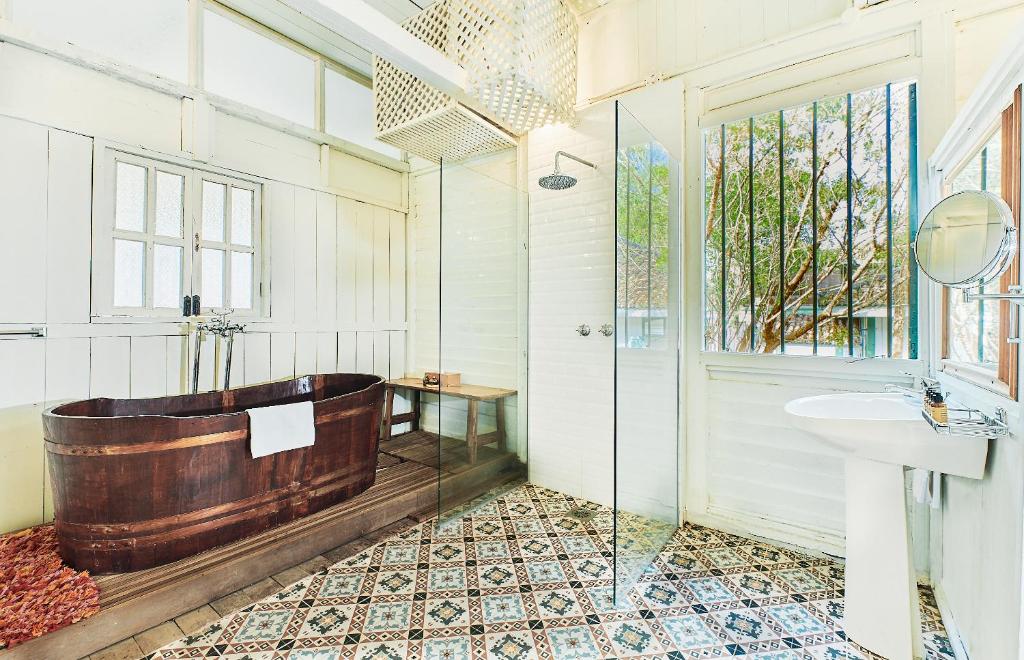
At the same time, the experience is far from rustic. The houses have been adapted with modern comforts, from air conditioning and Wi-Fi to contemporary bathrooms, coffee facilities and complimentary minibars. Some have private gardens, bathtubs or pools, while the larger houses work particularly well for families and groups.
That combination of old-world character and modern comfort is probably the best way to describe Temple Tree. The history is what makes the houses special, but the comfort is what makes you want to stay in them.
And this is where I think the concept works particularly well. You are not simply choosing between different room categories. You are choosing a piece of Malaysian heritage, with its own story, architecture and atmosphere, and making it your home for a few days.
Paloh Restaurant & Bar: Malaysian Flavours in a Heritage Setting
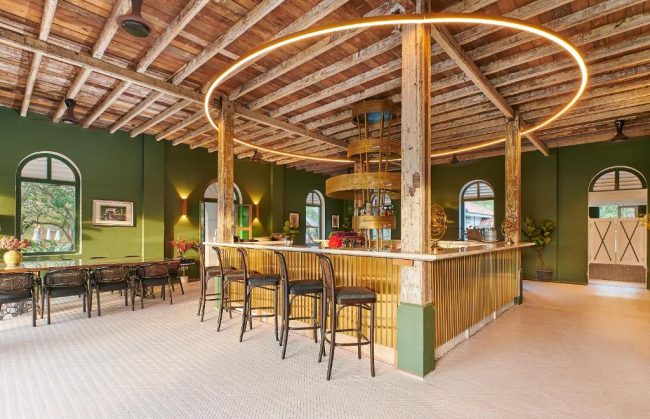
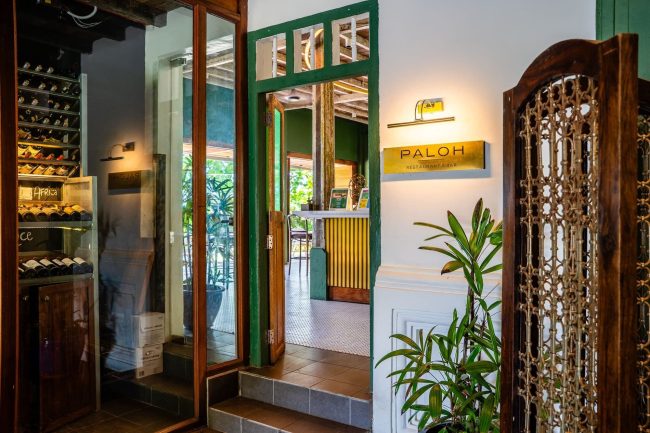
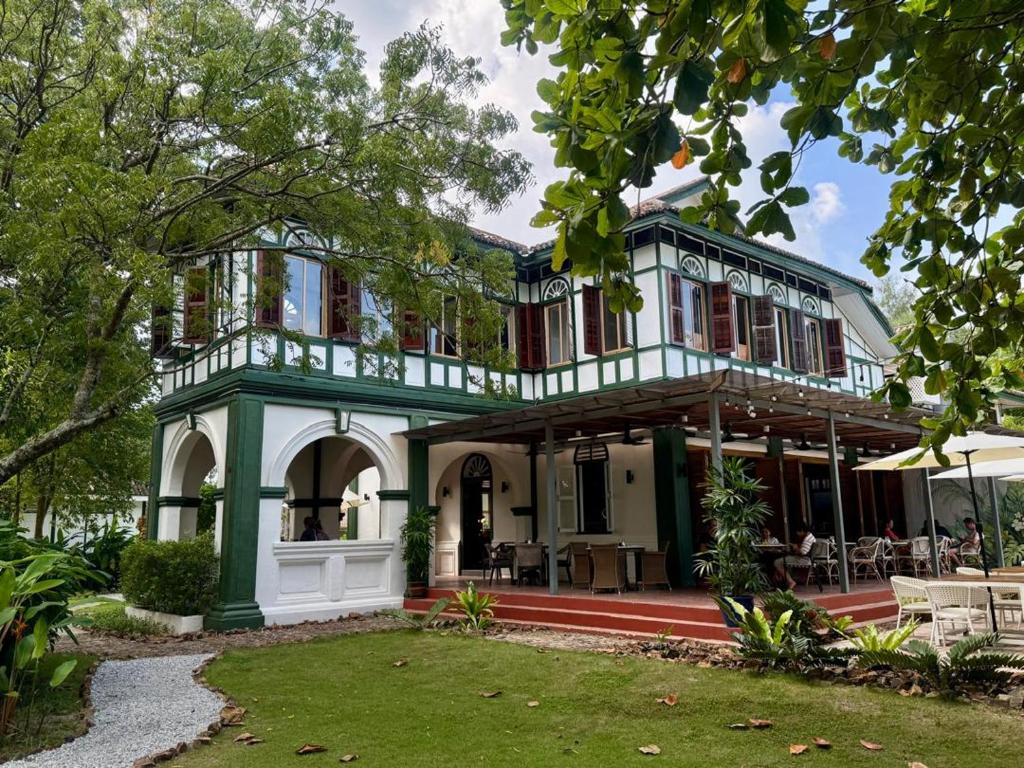
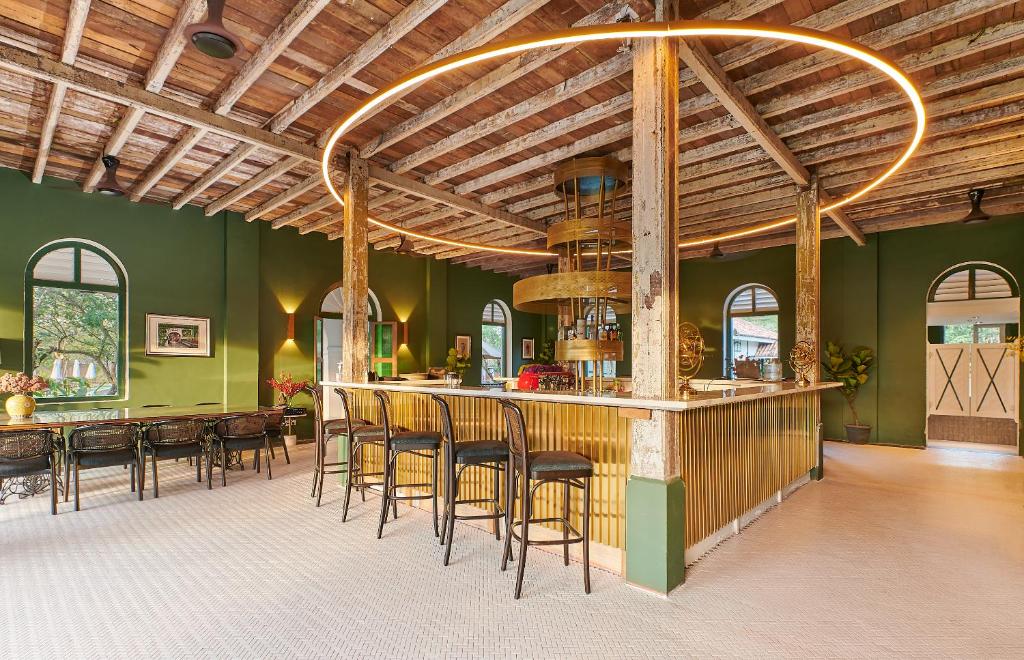
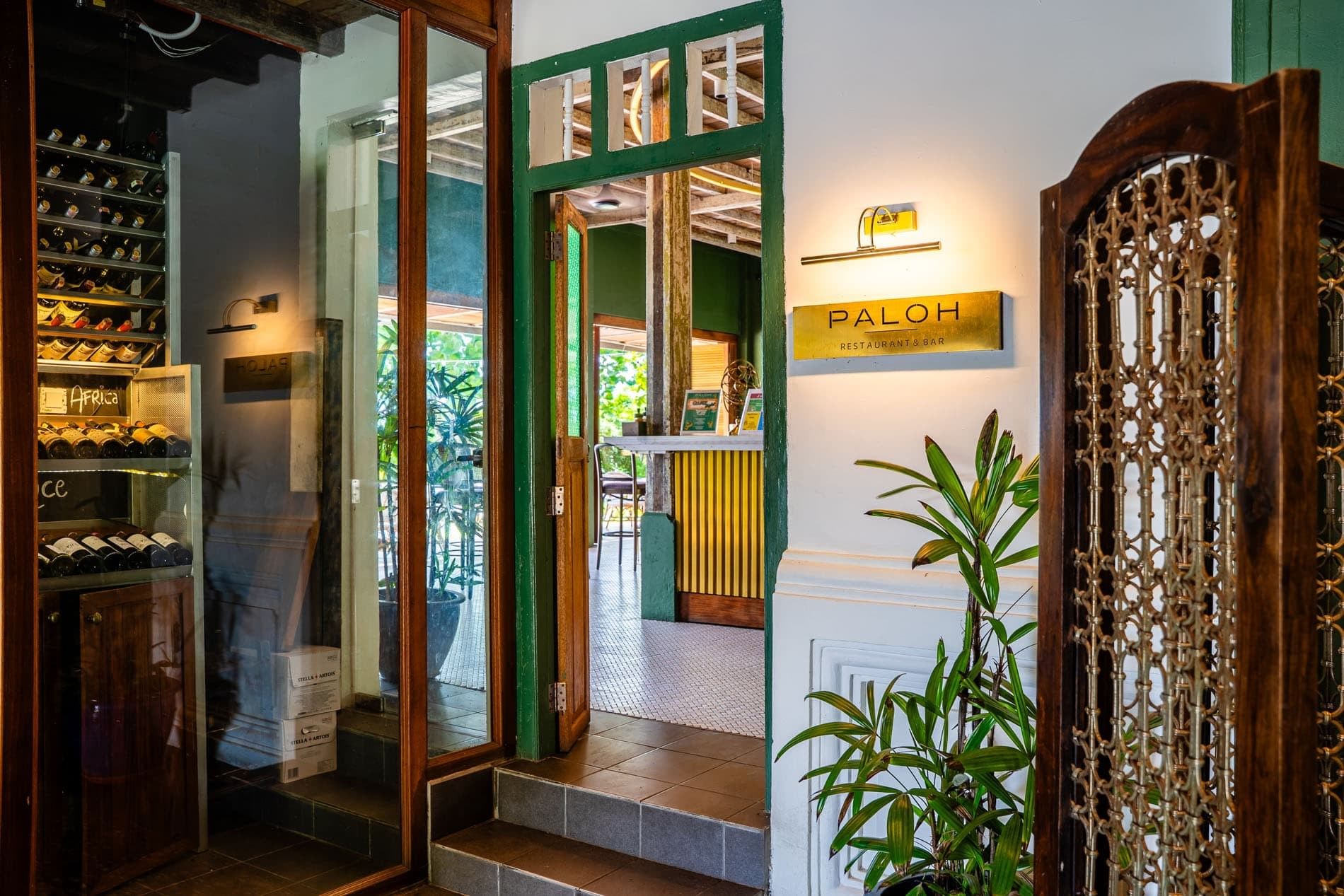
Food at Temple Tree is centred around Paloh Restaurant & Bar, set within the beautifully restored 100-year-old Ipoh House. Overlooking the lush gardens and resort pool, it brings together Malaysian heritage, tropical surroundings and a relaxed approach to dining.
I experienced Paloh mainly at breakfast, and it was a lovely way to start the day. There is something particularly nice about sitting in this old house surrounded by greenery, with the sounds of the resort around you. It feels very different from having breakfast in a conventional hotel restaurant.
The menu celebrates Malaysian flavours alongside Mediterranean and international favourites, so there is plenty of choice depending on what you are in the mood for. Local comfort dishes, seafood and international options sit alongside lighter choices, while the restaurant also offers sharing plates and drinks throughout the day.
What I liked is that Paloh feels genuinely connected to Temple Tree. The restaurant occupies one of the resort’s heritage houses, so the architecture and setting are part of the experience rather than simply a backdrop.
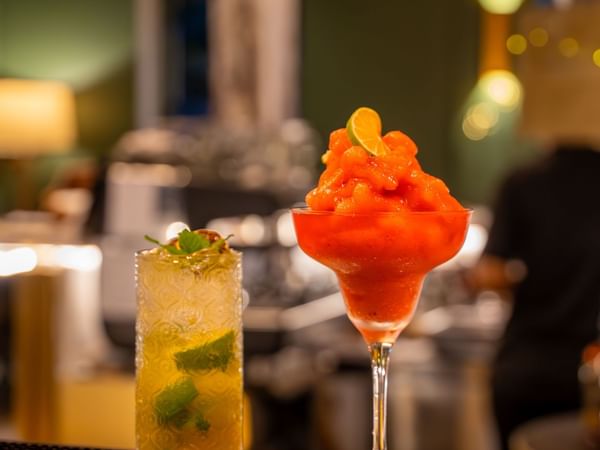
Later in the day, Paloh changes character. The bar becomes a natural place to stop for a drink, particularly around sunset, when you can sit overlooking the pool and gardens. After a day exploring Langkawi, I can think of few better ways to slow down than coming back here for a cocktail.
Temple Tree also offers experiences such as floating breakfasts in the pool, dining under the stars, high tea around the resort and private dining. There are monthly events too, including live music, quiz nights, pop-up markets and aperitivo-style happy hours.
These events also attract people who live on the island, not just resort guests. Paloh has become a place where locals come for the food, drinks and events, which gives the restaurant a much more natural sense of community. It does not feel like a hotel restaurant that only exists for the people staying upstairs.
For me, though, the appeal is less about having a long list of dining experiences and more about the atmosphere. Paloh gives you another reason to stay around Temple Tree rather than simply using it as somewhere to sleep.
And that matters here. With its heritage houses, tropical gardens and relaxed pace, Temple Tree encourages you to spend time on the property. Paloh is a natural part of that experience, from the first coffee of the morning to sunset drinks by the pool.
Pool, Spa & Time to Slow Down
After spending time exploring Langkawi, one of the things I appreciated most about Temple Tree was having space to slow down without leaving the resort.
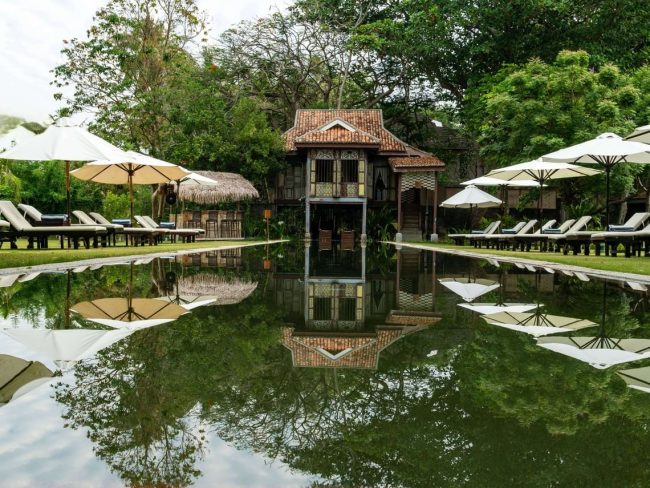
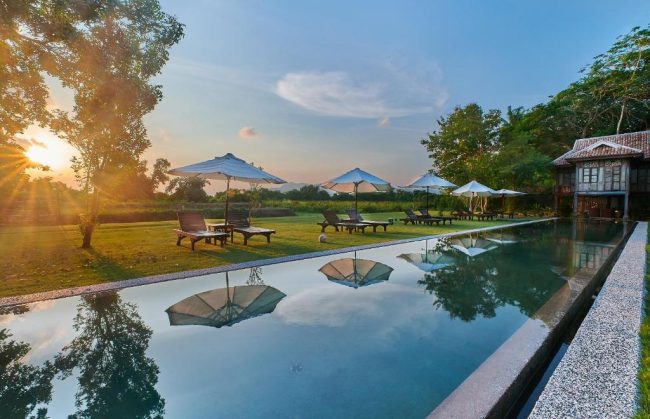
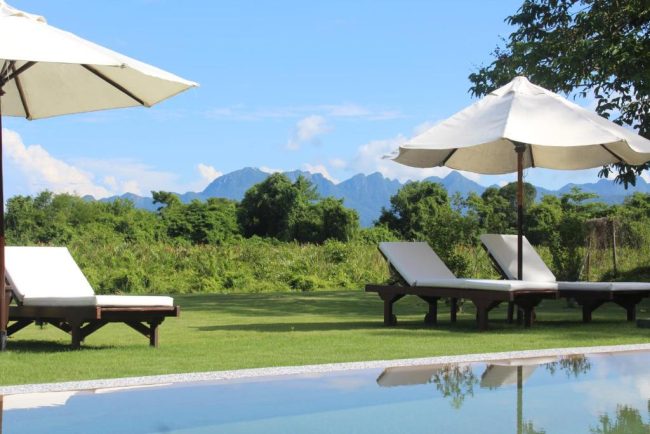
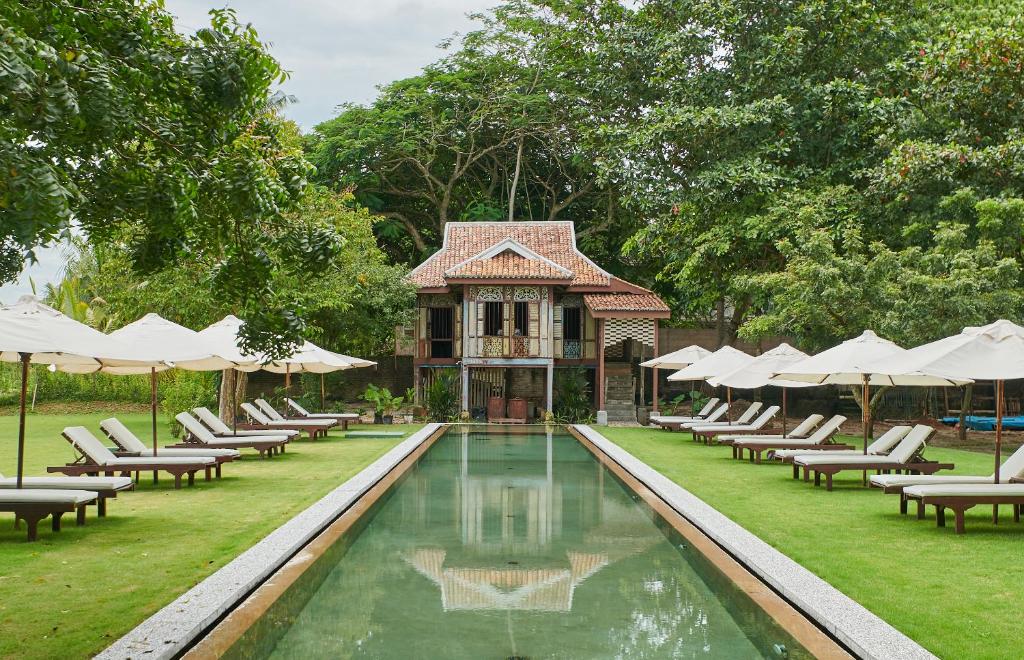
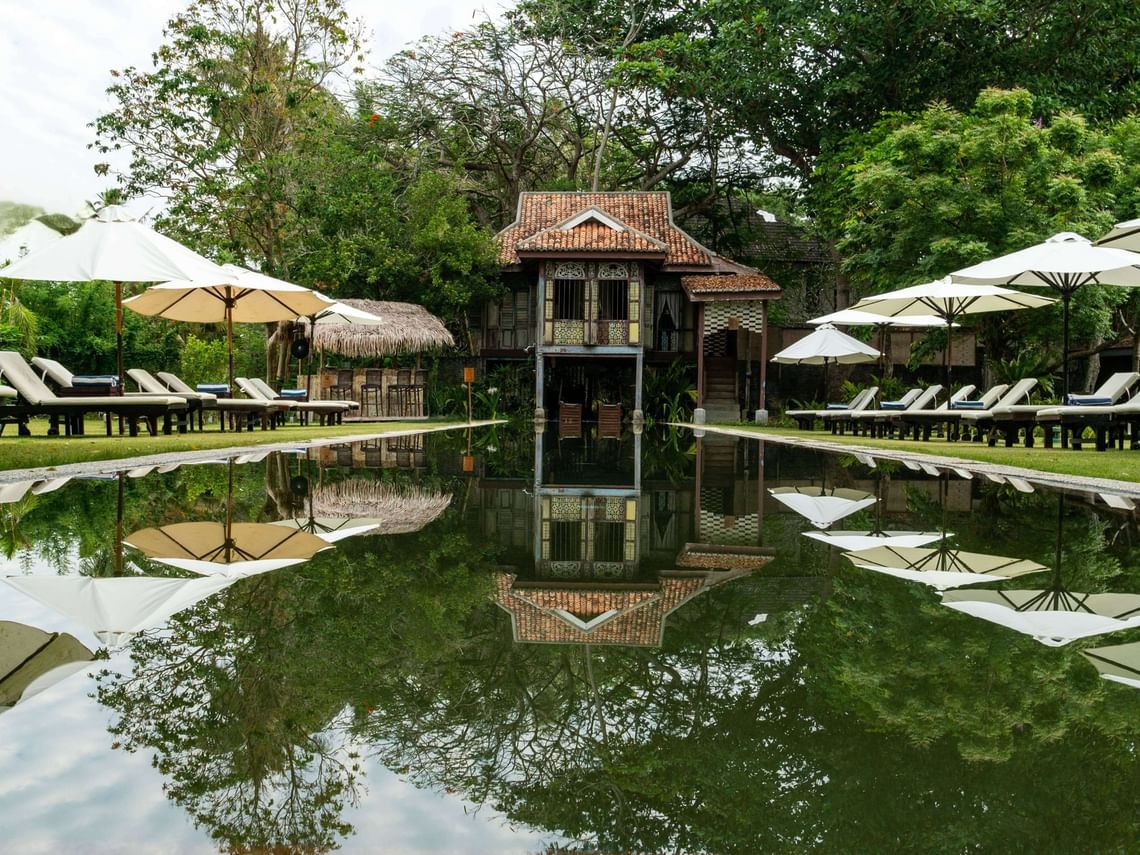
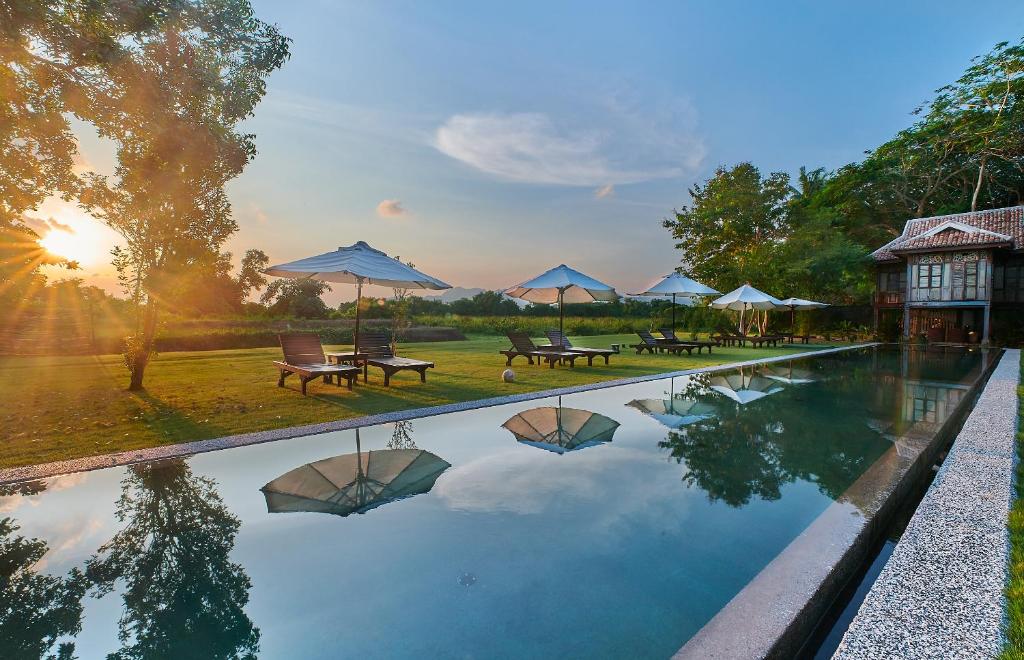
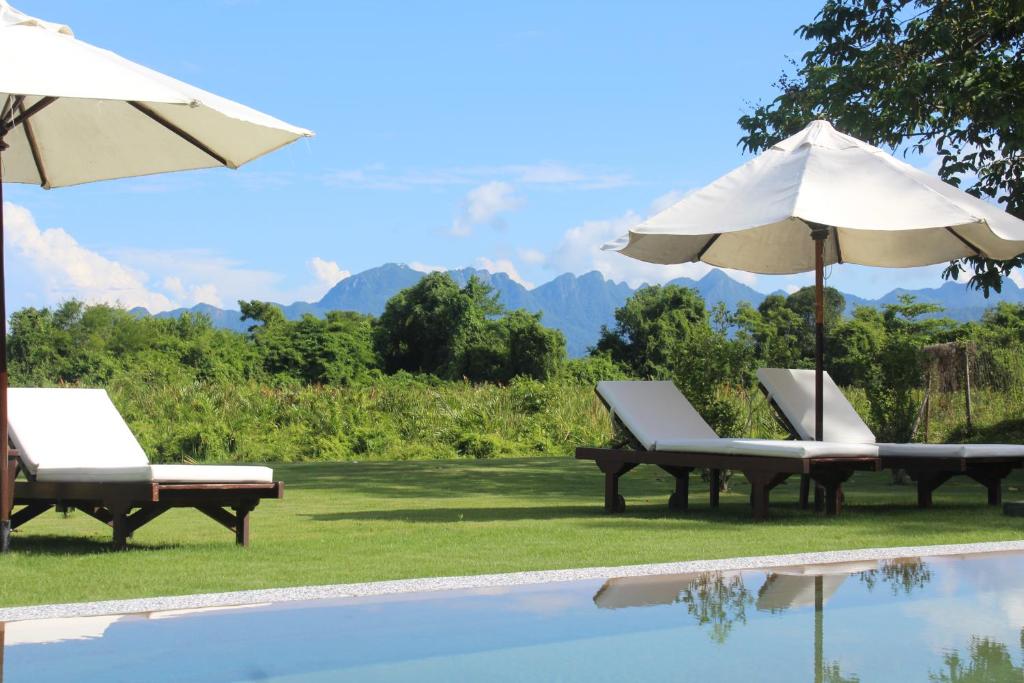
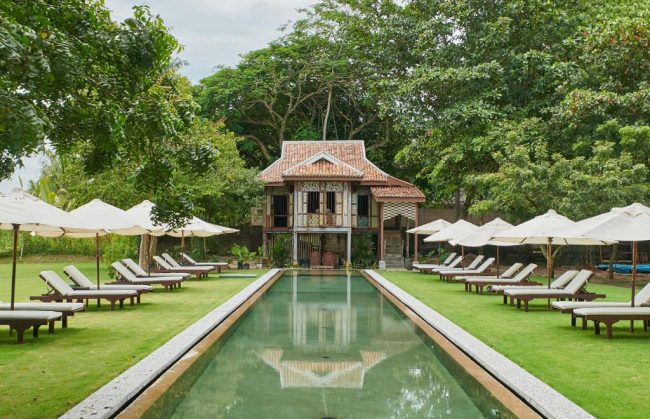
The outdoor swimming pool is surrounded by tropical gardens and the resort’s heritage houses. I particularly loved how long it is, making it possible to actually swim rather than simply take a dip.
The pool sits directly in front of Johor House, one of the most special houses at Temple Tree, and the sun loungers face it, making the heritage architecture part of the view as you relax by the water.
During my stay, there were hardly any people using the pool, which meant I could swim length after length without feeling crowded. The temperature was also perfect, making it very easy to spend a good amount of time in the water.
And then there is the spa, which almost feels like the finishing touch to this part of the resort. It is housed within another traditional structure, continuing the same connection between wellness, nature and Temple Tree’s heritage architecture.
The spa offers treatments inspired by traditional Malay techniques and Asian fusion therapies, designed to relieve tension and help you unwind after a day exploring the island.
For me, this combination works particularly well. You can swim, spend some time on the loungers looking across at Johor House, or book a treatment without ever leaving the atmosphere that makes Temple Tree special.
Discovering the Houses of Temple Tree
One of the things I was most looking forward to at Temple Tree was discovering the houses themselves. As I work with locations, I naturally pay a lot of attention to spaces, architecture and the way light changes a place.
I was lucky enough to spend several days at the resort, which gave me the chance to do exactly that. I asked if I could see some of the houses that were not occupied during my stay, and the team was incredibly kind about it. They even gave me the keys to some empty houses so I could explore them on my own.
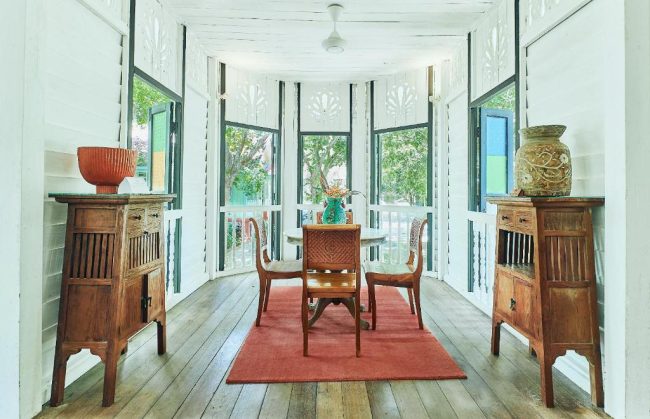
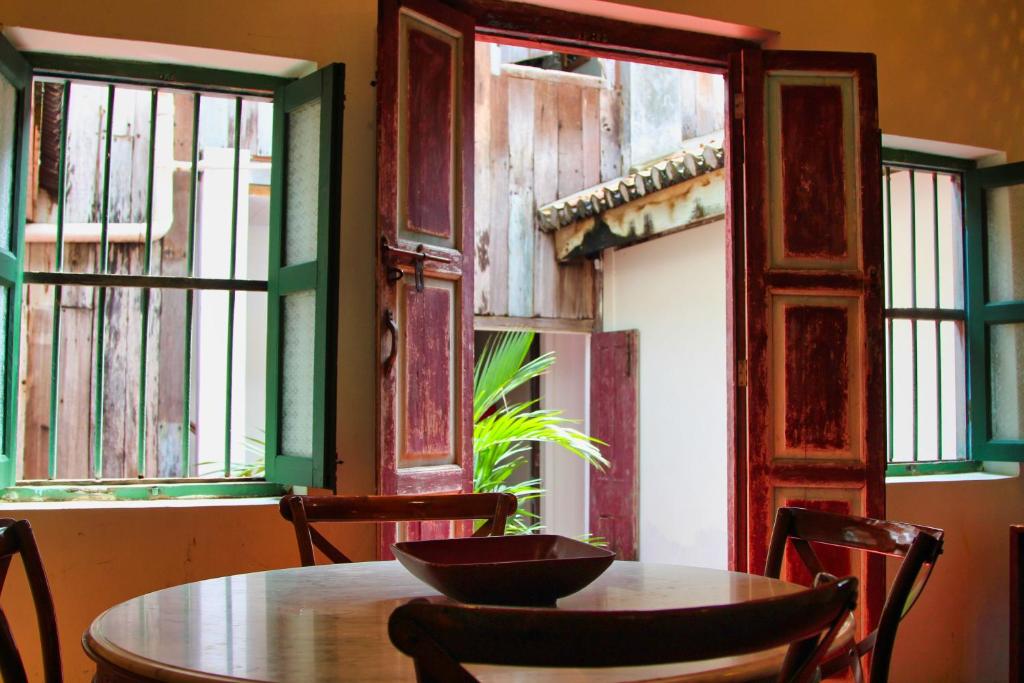
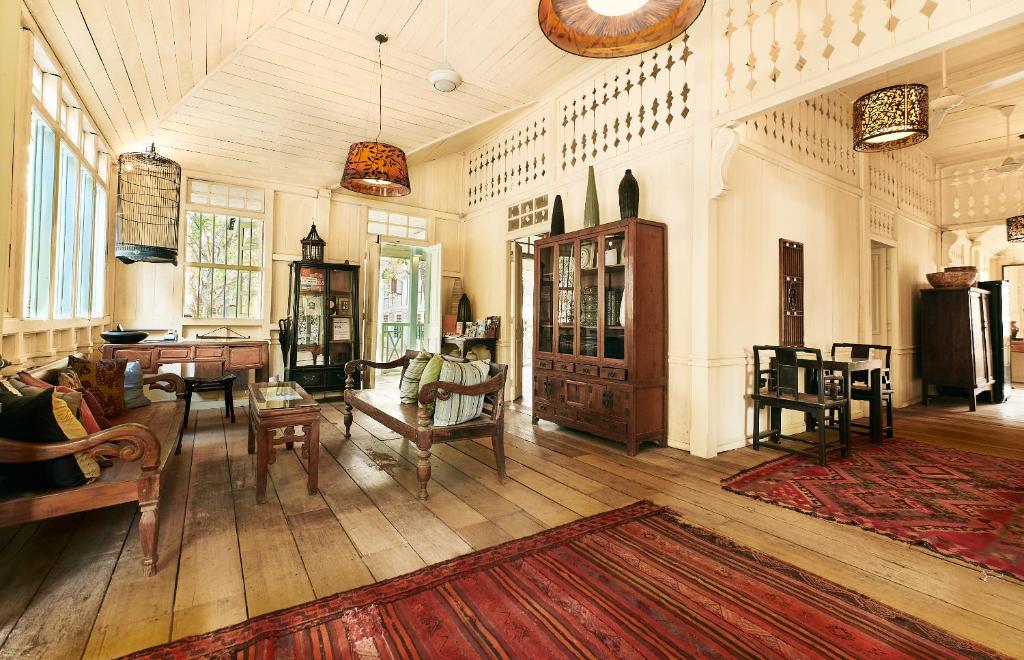
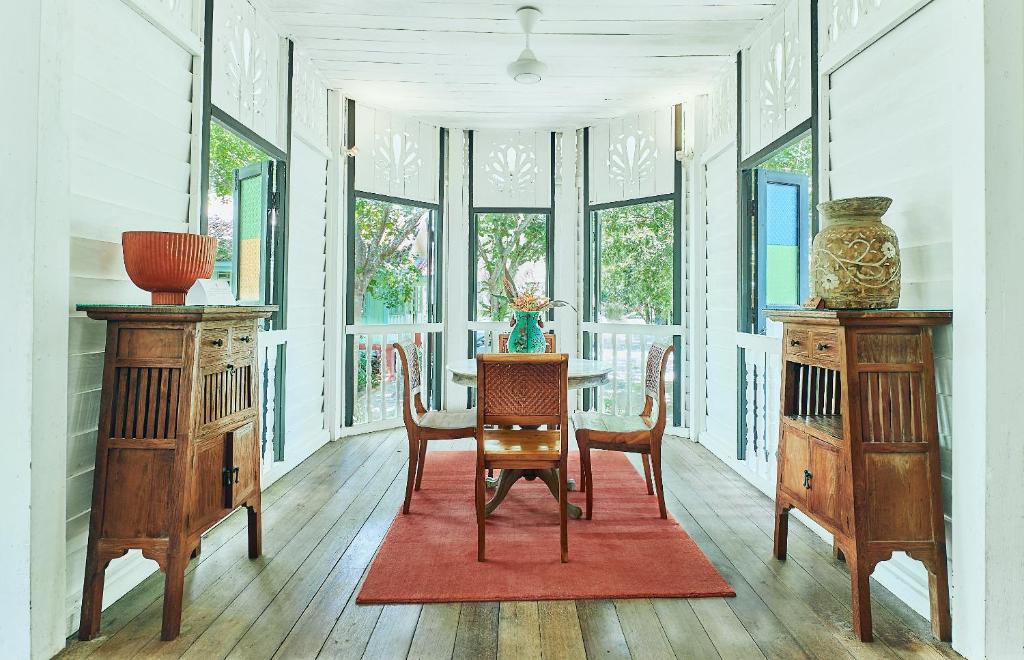
It was such a different way of experiencing a resort. Every house felt like its own little world, with different proportions, details and atmospheres. Some immediately caught my attention for their architecture, while others were much more about the feeling of being inside a real old Malaysian home.
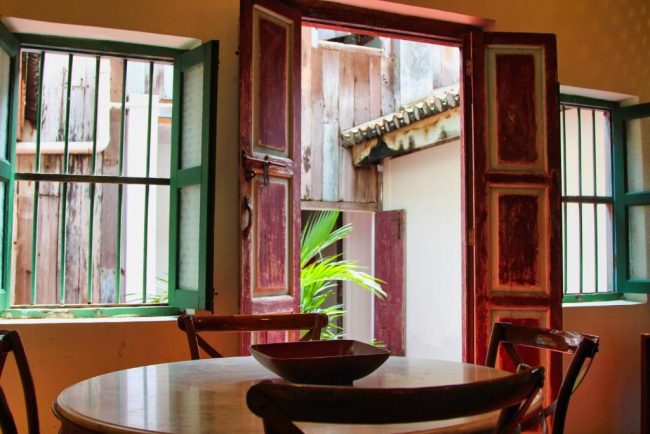
I loved opening the windows and watching how the light changed each space. A room that initially looked quite dark could completely transform as the shutters and windows opened, bringing in the tropical surroundings and changing the atmosphere of the house.
I ended up asking to see different houses throughout my stay, depending on which ones were available. It became almost a little treasure hunt for me, discovering what was behind each door and seeing how differently each house had been preserved and adapted.
And this is something you simply cannot get from looking at photographs online. You need to walk into these houses, open the windows, look at the details and understand that each one has travelled from somewhere else in Malaysia before becoming part of Temple Tree.
For me, this became one of the most memorable parts of the stay. I was not just choosing where to sleep each night. I was discovering the collection itself, one house at a time.
Would I Stay at Temple Tree Again?
After spending several days at Temple Tree, I understand why this place feels so different from a conventional resort in Langkawi.
The biggest surprise for me was how much I enjoyed discovering the houses. I arrived knowing that they had been relocated from different parts of Malaysia, but seeing them from the inside made that story feel much more real.
I also liked that Temple Tree gives you the chance to slow down. You can spend the day exploring Langkawi, come back for a swim, have dinner at Paloh or simply sit outside and enjoy the surroundings.
But more than anything, I found myself curious about the houses I had not yet seen. Every time I walked past one, I wondered what it looked like inside, how the light came through the windows and what story it might have brought with it.
Would I stay at Temple Tree again? Absolutely.
And next time, I would probably want to stay in a completely different house. That is part of the fun here: there is no single “Temple Tree room”. There is a whole collection of homes to discover.
For me, that is what makes the resort memorable. You are not simply checking into a room. You are becoming part of a collection of old Malaysian houses that have found a new life in Langkawi.
And I think that is something worth coming back for.
Book Temple Tree Resort
Lot 1053, Jalan Pantai Cenang, Mukim Kedawang, 07000 Langkawi, Kedah Darul Aman, Malaysia
More Travel Inspiration & Unique Stays
Find travel inspiration here
For a curated selection of unique places to stay around the world, start here—use the filters in the top menu to browse by country or region and discover your favorite.
Follow along on Instagram or TikTok for more fresh content
Stay curious. Stay kind. Keep exploring.